Apt vs Unit vs Suite: USPS Secondary Address Format Examples
Use this guide before mailing when you need the right apartment, unit, suite, or floor abbreviation and placement. Includes USPS-friendly examples for secondary address formatting.
Plain-English USPS guides for postage, addressing, Certified Mail, tracking, and delivery timing.
All Guides
Showing all 12 guides.

Use this guide before mailing when you need the right apartment, unit, suite, or floor abbreviation and placement. Includes USPS-friendly examples for secondary address formatting.
Use this guide when you have the tracking number and need the normal USPS tracking steps, status meanings, and delivery-proof workflow.

Check whether USPS is delivering today, including Sundays, federal holidays, and local service alerts. Use this 2026 guide for same-day mail status.

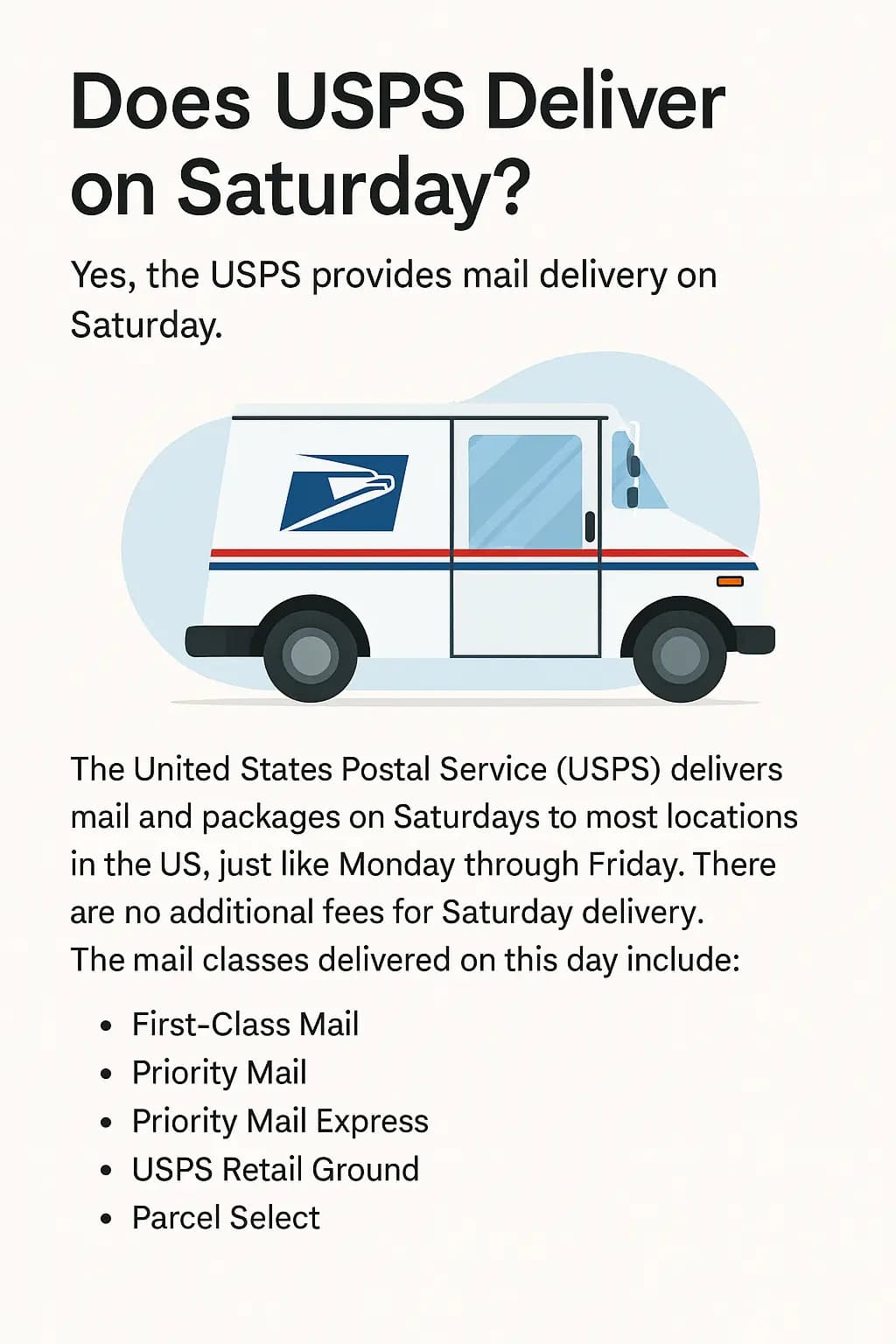
Yes, USPS delivers letters and packages on Saturday. See guarantees, Post Office hours, collection times, and common exceptions.

Use the USPS stamp calculator to figure out how many Forever or additional-ounce stamps to use by weight and envelope type. Need dollar postage rates instead? See 2026 USPS postage prices.

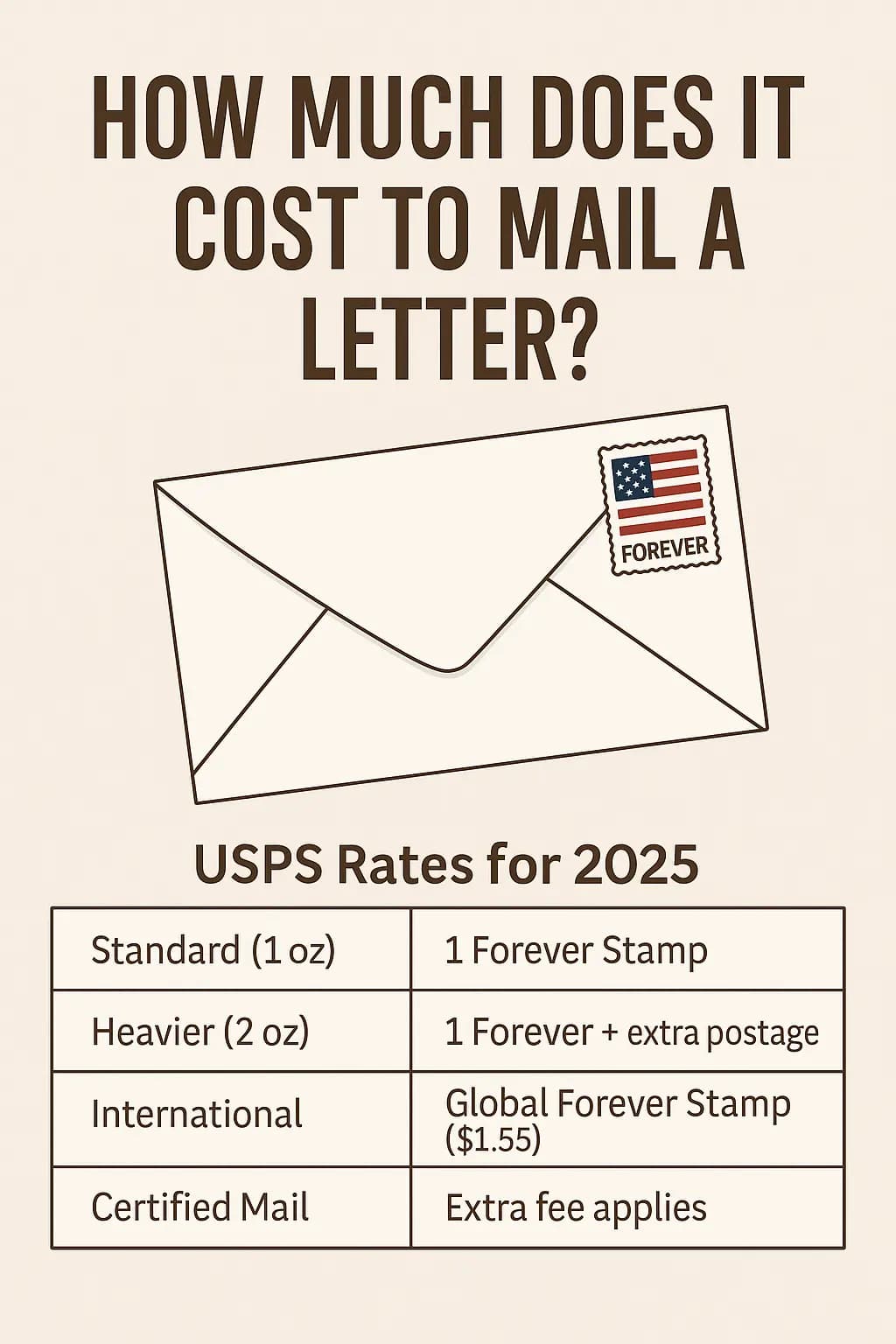
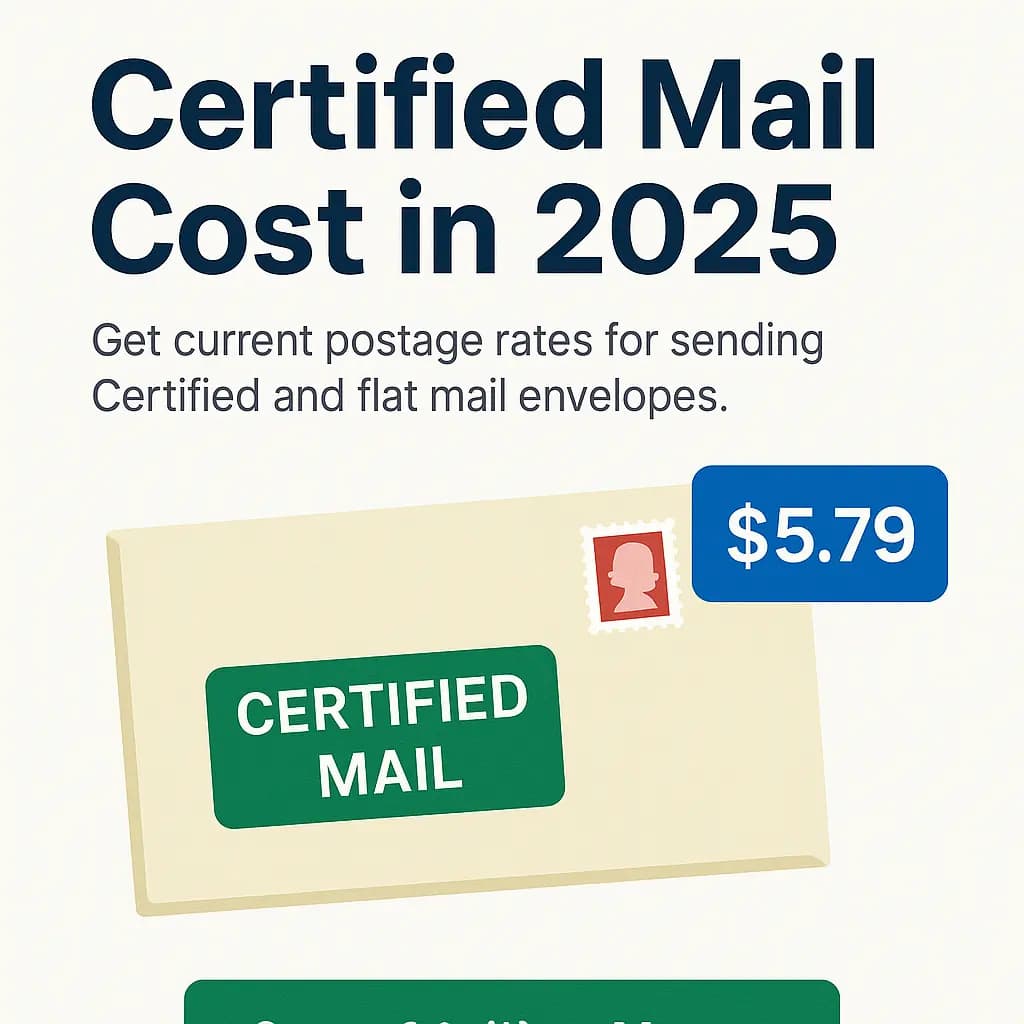
We cover current Post Office prices for letters, postcards, large envelopes, and even international mail.

Put the recipient name first, the PO Box number on the next line, and the city, state, and correct PO Box ZIP Code on the final line.

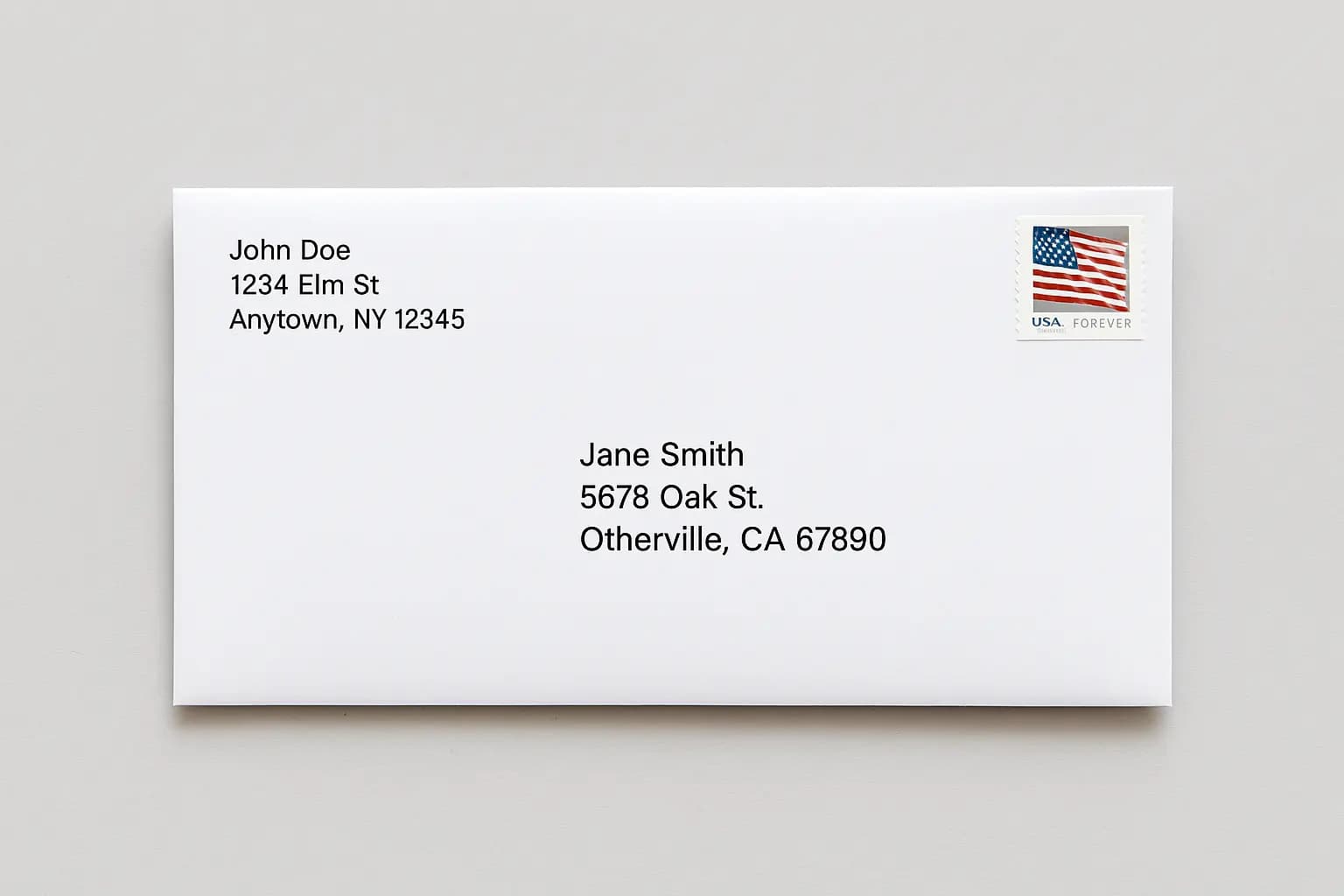
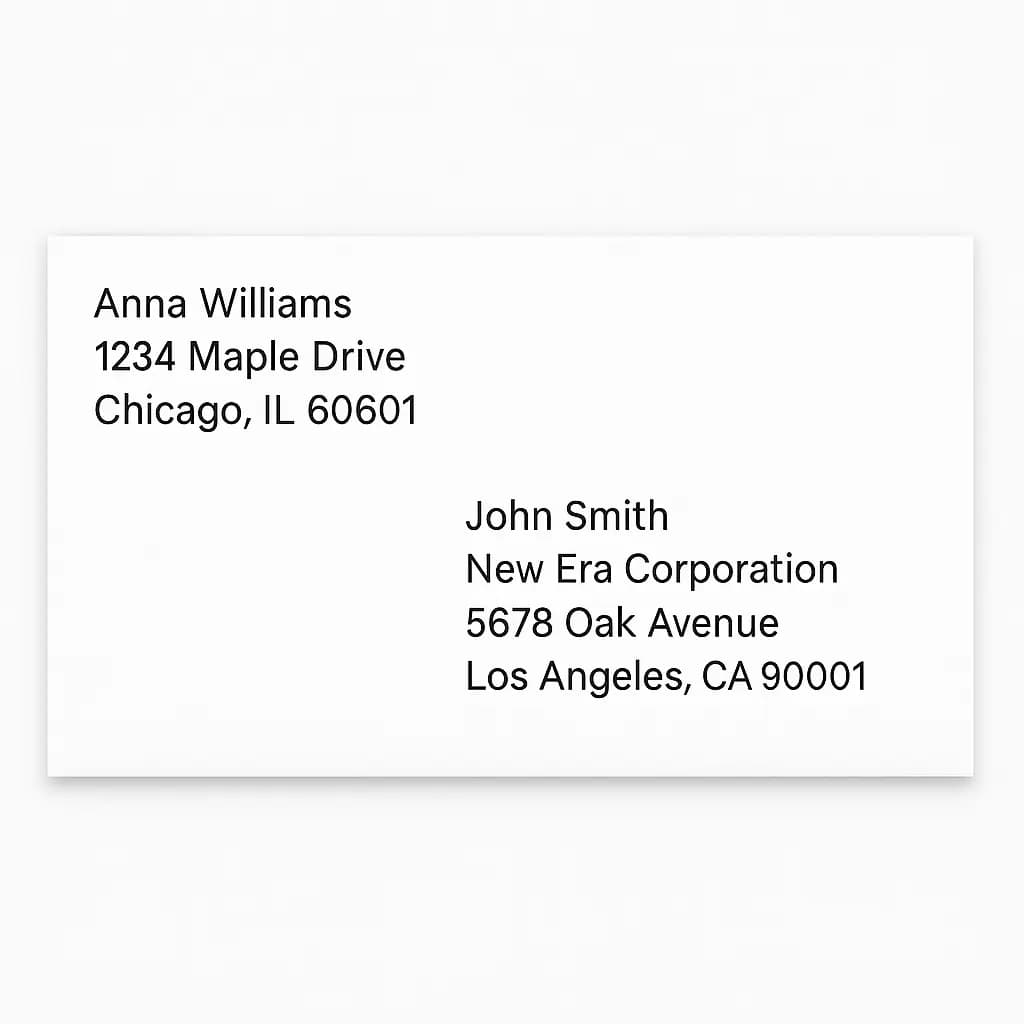
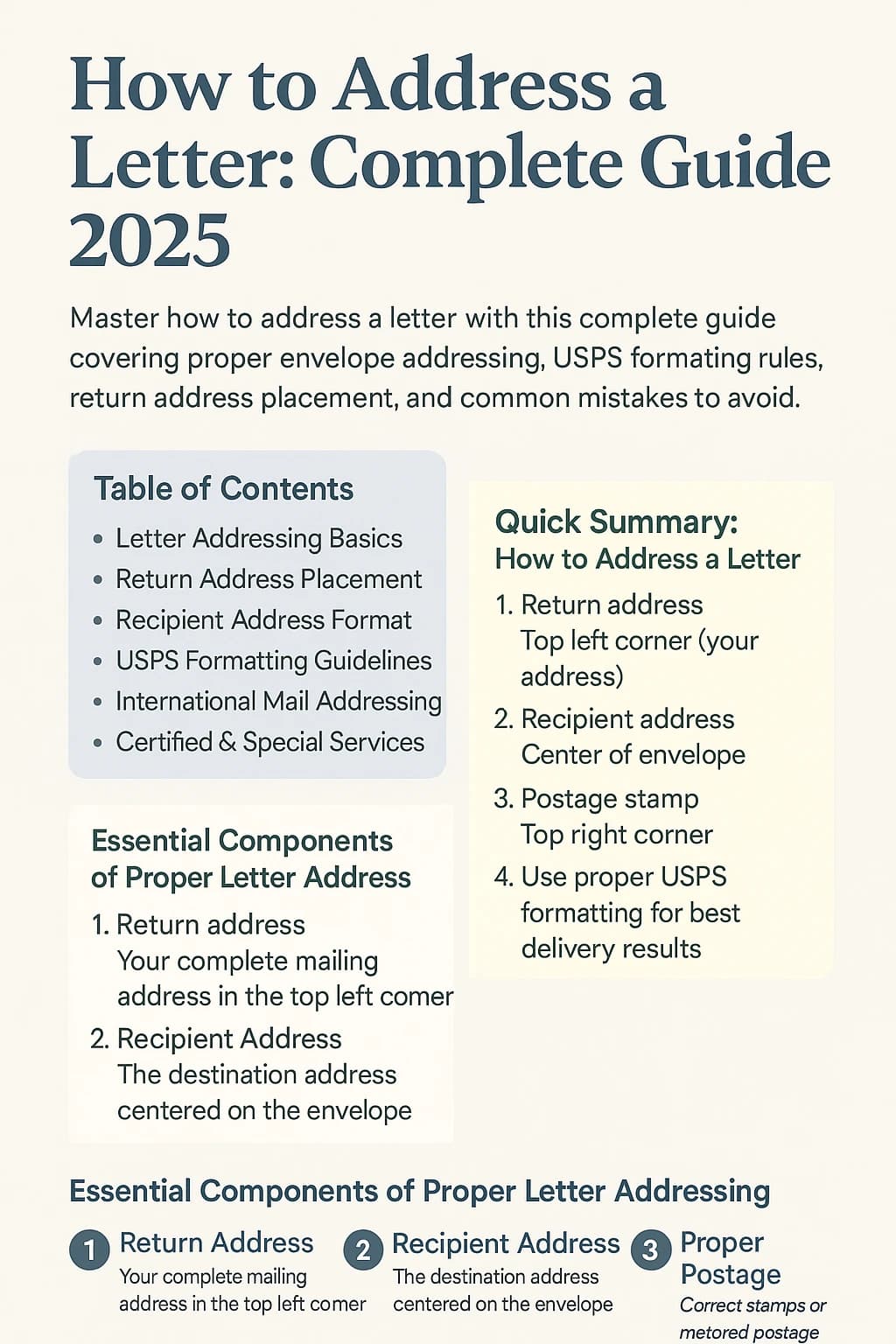
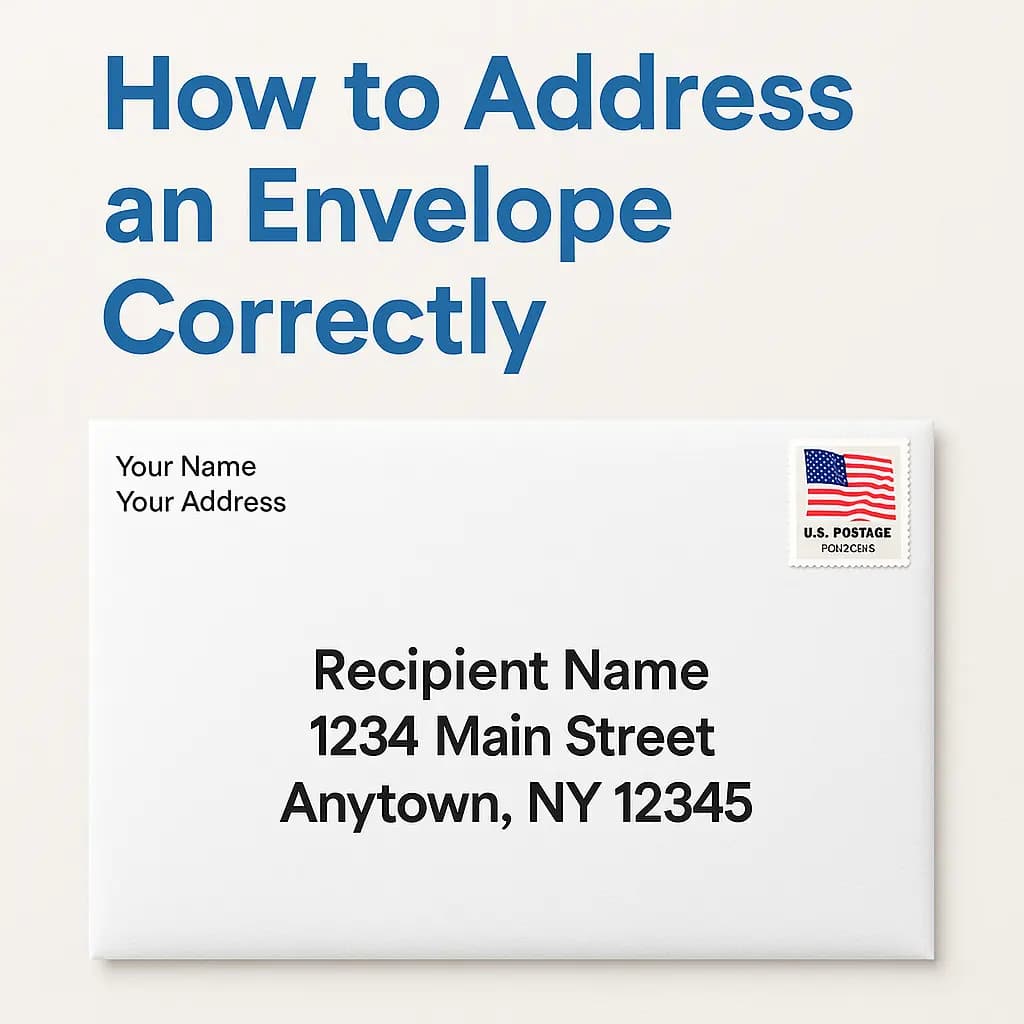
Put your return address in the upper-left corner, the recipient address in the center, and postage in the upper-right corner. Here is the straightforward USPS-friendly format.

USPS First-Class Mail has an estimated delivery window of 1 to 5 business days. Learn what affects the service standard and compare USPS mail classes.

USPS Hold Mail pauses delivery for 3 to 30 days at your local Post Office. Learn how scheduling, identity verification, pickup, and redelivery work.

Complete list of USPS holidays 2026 when post offices are closed and mail isn't delivered. Plan around postal holidays to avoid delays on certified mail and priority mail.

Use c/o when another person or business receives mail on someone’s behalf. Use ATTN when mail has reached the correct organization but needs to be routed internally.