How to Mail DMV Paperwork: 50-State DMV Checker

Quick Answer
Use our DMV checker to find online options and mail-in guidance for your state and paperwork.
The checker covers registration renewals, replacement titles, and ordinary driver's license renewals in all 50 states and Washington, DC. Each result explains any conditions or county-specific instructions and tells you when we haven't confirmed a mail-in option.
You may not need to mail anything at all. Here in Colorado, we renew our driver's licenses online through myDMV. Other states also offer online renewals for eligible drivers. Our checker shows verified online renewal options alongside the mailing instructions.
Can I Mail This to the DMV?
Choose your state and paperwork to see mail-in guidance, available online options, and official office links. Results cover registration renewals, replacement titles, and ordinary driver's license renewals.
Which states and transactions are covered?
The three transaction categories have researched guidance for all 50 states and Washington, DC. Conditions, county-specific routes, and any unconfirmed mail-in options are shown in each result. If no online option is listed, that does not mean one is unavailable.
All 50 states and Washington, DC have official agency links. This checker does not cover every transaction, such as title transfers, commercial licenses, or a first-time REAL ID application. Find a U.S. territory's agency (opens in a new tab).
Where Do You Mail DMV Paperwork?
Use the mailing address on the form or renewal notice for your transaction, including any department or mail stop. A nearby DMV office is not necessarily the right mailing destination.
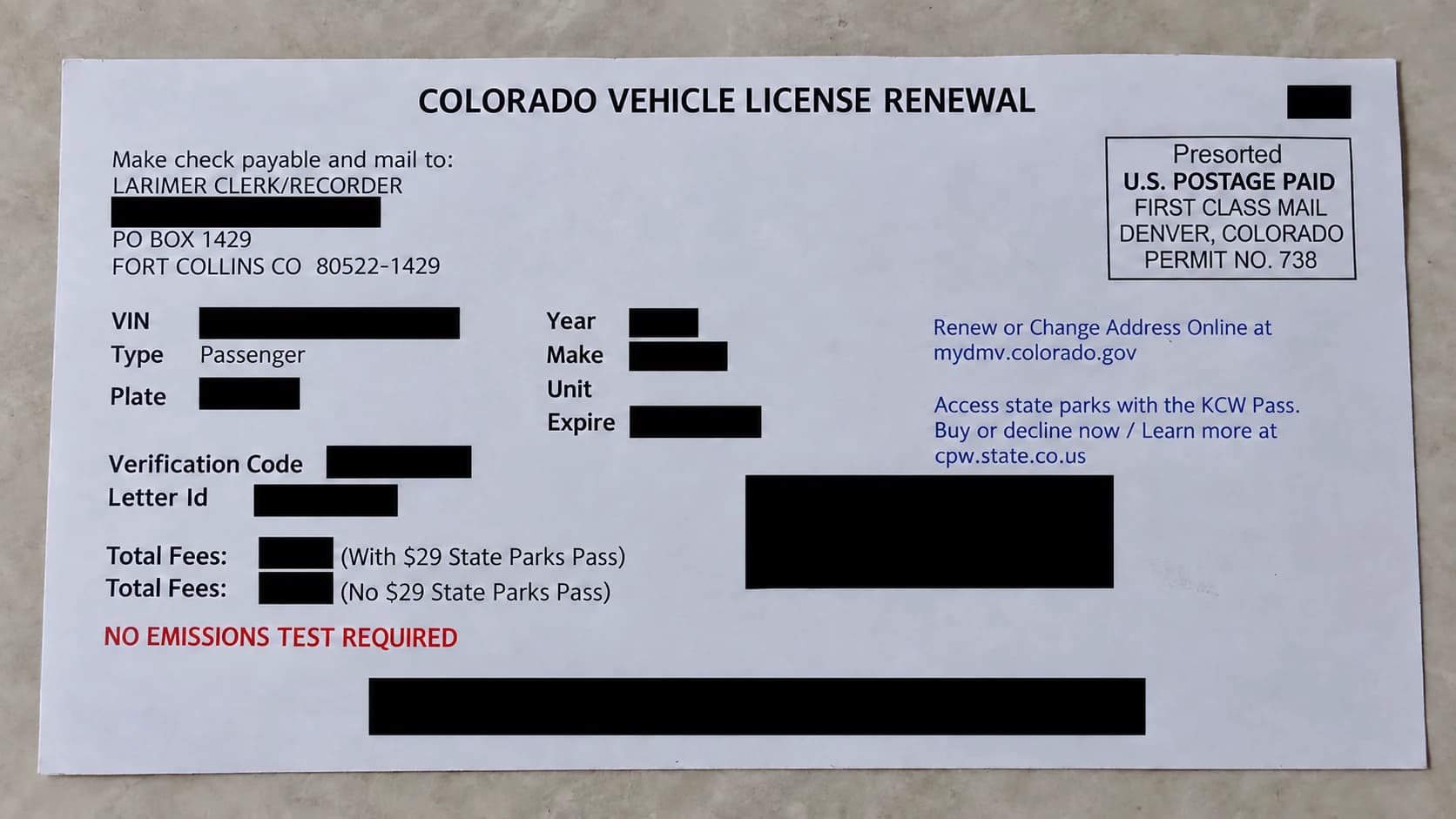
If your notice and the website give different addresses, confirm which one to use with the agency. Our envelope addressing guide shows where to place it and your return address.
Once the DMV confirms the destination, our ZIP+4 lookup can help check the postal address format. It does not choose the right DMV department for your paperwork.
Prepare Your Forms and Payment
Work through the checklist that comes with your form, and check whether your deadline is based on the postmark or when the DMV receives the paperwork. Before sealing the envelope, check:
- You are using the current form and have completed the required fields.
- Names, addresses, vehicle details, and identification numbers match your documents.
- Required signatures, dates, and any notarization are complete.
- You have included each supporting document in the form the DMV requires.
- The payment amount, payment method, and payee match the instructions.
Keep a complete copy or scan of the packet. Use an envelope that hides the contents and seal it fully. If you are including a check, see our guide to mailing checks. Our sensitive-document mailing guide covers packaging and privacy.
Should You Send Originals or Copies?
It depends on the transaction. Send copies when the instructions allow them, but do not substitute a scan or photocopy for a required original.
For example, New York requires the original title and original signed lien release when you mail a request to remove a lien from a New York title. Its instructions say photocopies are not accepted for that request. Check your own state's requirements before mailing a title or other document that would be difficult to replace.
Which Mailing Service Should You Use?
If the DMV specifies a mailing method, use it. Otherwise, choose based on how quickly you need the packet delivered and what mailing record you want to keep.
Our mail delivery time estimator can help you plan, but it does not guarantee an arrival date or include DMV processing time. Leave extra room before your deadline.
Certified Mail
Certified Mail provides a mailing receipt and delivery or attempted-delivery information. Add Return Receipt if you want a copy of the signature record. You can choose an electronic receipt or a physical card mailed back to you.
First-Class or Priority Mail
First-Class Mail is the cheaper option for a regular letter. Priority Mail offers faster expected delivery and includes tracking with standard shipments. An ordinary stamped letter does not include USPS Tracking. Our First-Class vs. Priority Mail comparison explains the options.
For a packet with original documents, we recommend taking it to the Post Office counter so you can check the postage and get the mailing services you need. Faster shipping does not speed up the DMV's review once it arrives.
Track Delivery, Then Check DMV Processing
Keep your copy of the paperwork, the mailing date, the address you used, and any receipt or tracking number. Save the delivery record and Return Receipt if you purchased one.
A Delivered scan tells you about the mailing, not whether the DMV approved your request. Check the agency's processing estimate and transaction-status tool, if available. California, for example, provides separate processing-time and renewal-status resources.
If USPS tracking shows a delivery problem, follow up with USPS. If the packet was delivered but the agency's processing estimate has passed, contact the DMV with your transaction details and mailing record. Ask what happened before sending a second application or payment.
Can The Letter Pilot Mail DMV Documents?
If the DMV accepts printed copies or a letter, The Letter Pilot can print and mail your document. You can also choose Certified Mail for a mailing and delivery record.
This is a print-and-mail service, not an online DMV application. To renew directly online, use your state's official website.
That is not a substitute for a physical original, an original ink signature, or a check or money order that must be enclosed. If your transaction requires those items, prepare and mail the physical packet yourself.
Sources
- USA.gov: state motor vehicle services — links to official state agencies.
- Colorado DMV: renewal instructions for applicants age 79 or younger and age 80 or older — mail-renewal requirements and the option to renew online.
- California DMV: vehicle registration renewal — mailing instructions and processing follow-up.
- California DMV: contact and mailing addresses — different addresses by department and delivery method.
- New York DMV: certificate of title — original-document requirements for title transactions.
- USPS: insurance and extra services — Certified Mail, tracking, and Return Receipt.
- USPS: domestic mail and shipping services — postage options and delivery estimates.
Cover photo: New York State DMV office in Yonkers by Ajay Suresh, used under CC BY 2.0. Displayed cropped to fit.
_(53566233286).jpg)
More mailing guides
USPS guide
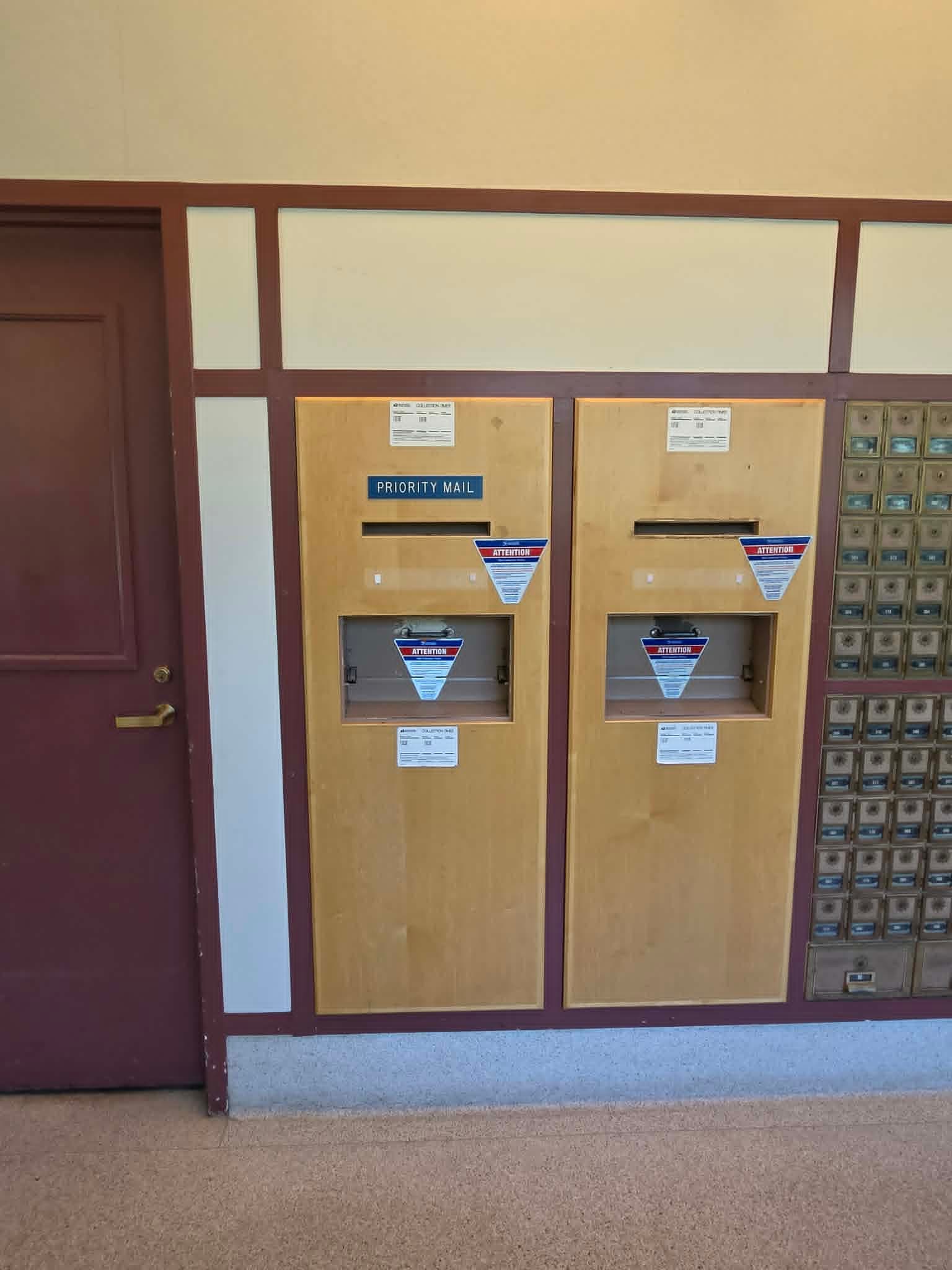
How to Mail Sensitive Documents Safely
Learn how to mail sensitive documents safely, choose USPS tracking or proof of delivery, protect private information, and keep useful mailing records.
Read guide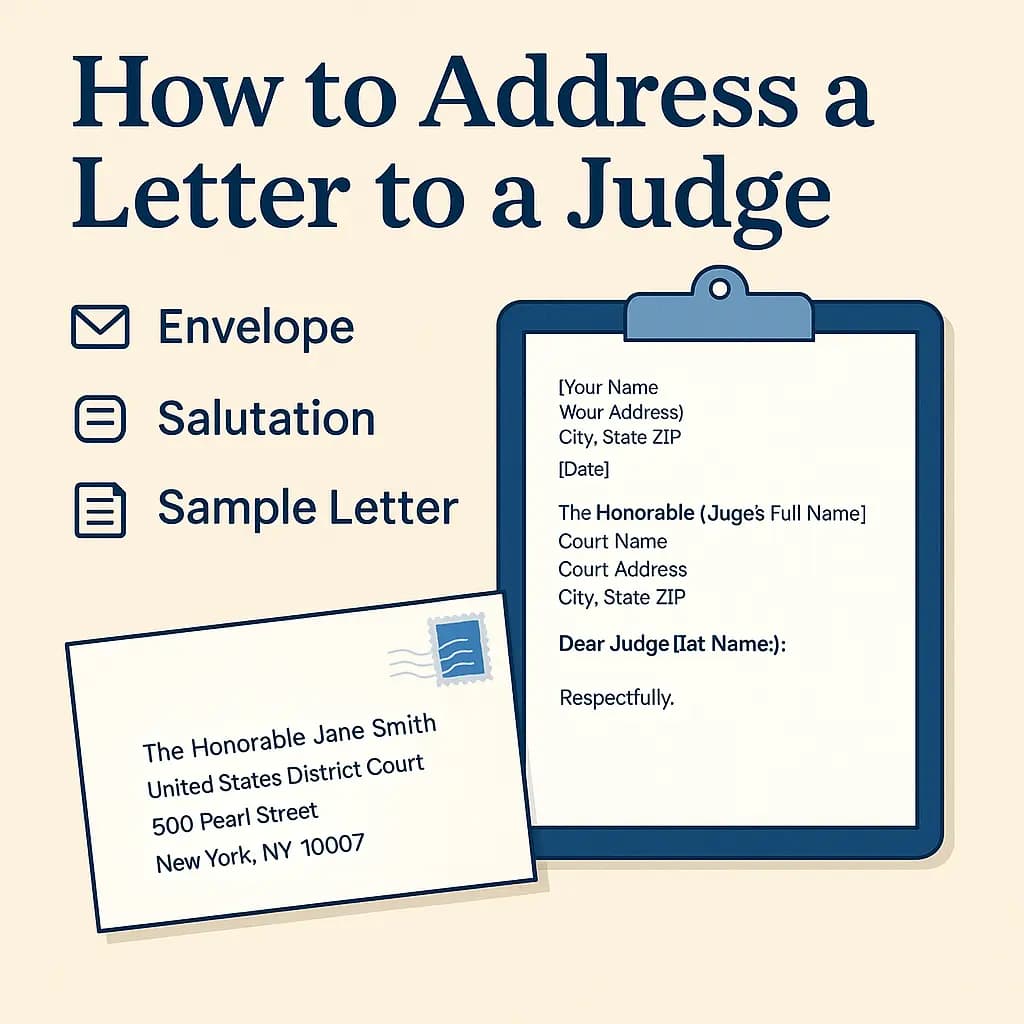
USPS guide
How to Address a Letter to a Judge (Envelope, Salutation, Sample Letter)
Learn how to address a letter to a judge, format the envelope and salutation, avoid ex parte contact, and use a sample character-reference letter.
Read guide
USPS guide
Where to Mail IRS Tax Returns: Address Finder by State
Use our IRS mailing address finder to find where to send tax returns, amended returns, extensions, and payments by state, form, and delivery method.
Read guide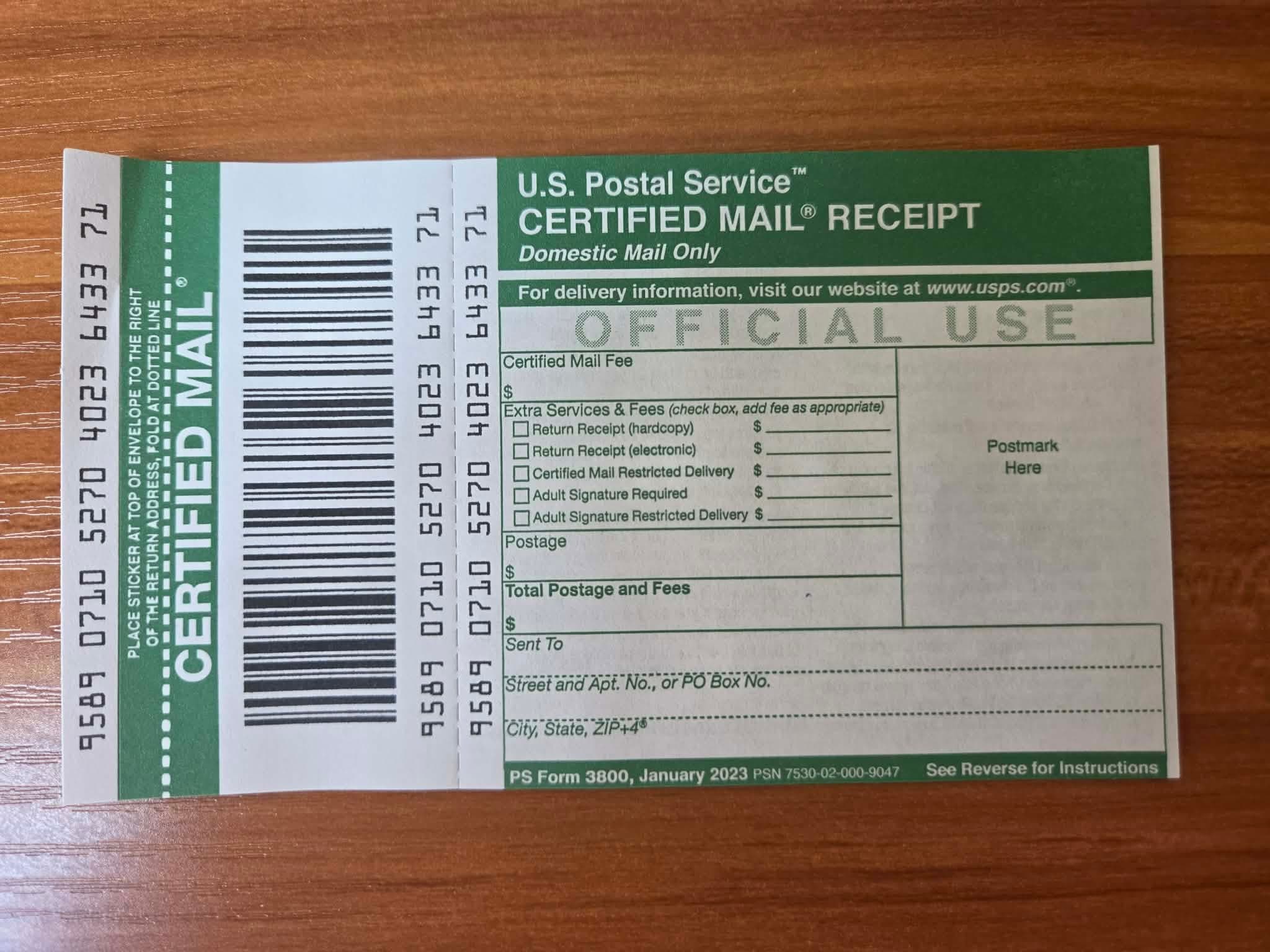
USPS guide
How to Write a Certified Letter (Format & Examples)
Learn how to write a certified letter with the correct format, sample wording, a complete example, and a reusable template for important notices.
Read guide
USPS guide
USPS Registered Mail: Cost, How to Send It & Delivery Time
Registered Mail starts at $20.90 plus postage. Fees depend on declared value and include applicable insurance up to $50,000. Learn how its security and delivery work.
Read guide