Where to Mail IRS Tax Returns: Address Finder by State
Your IRS address depends on your state, form, and whether a payment is enclosed. Use this guide to narrow it down, then confirm the destination in the current IRS instructions before mailing.
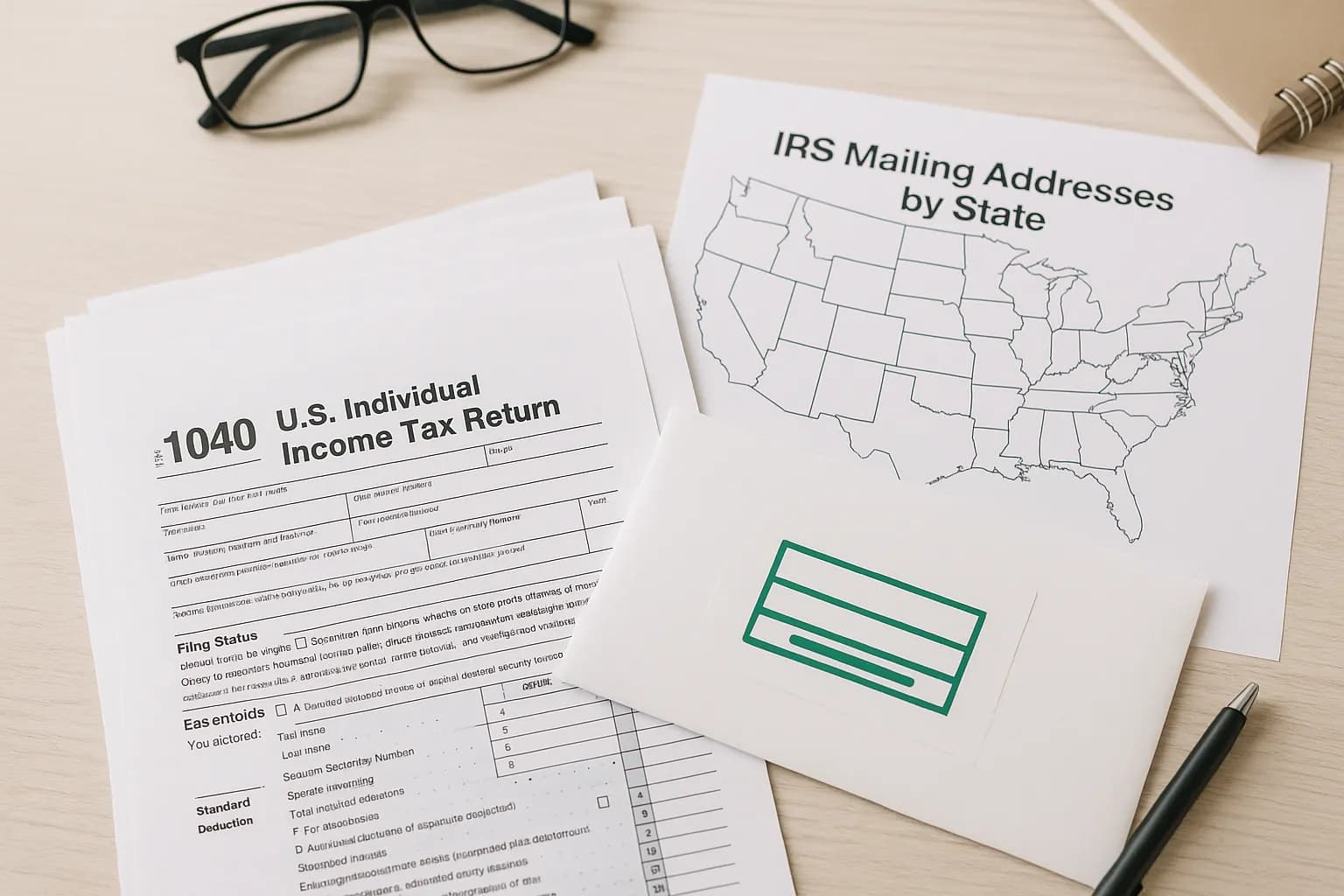
Find the right place to mail your IRS forms
We created this page because finding the correct place to mail an IRS form can be confusing. The destination can change based on where you live, which form you are sending, whether you are including a payment, and how you plan to mail it. The IRS website contains the answers, but finding the instructions that apply to your situation can take some digging.
We review and update this tool each year so you can quickly find the mailing location that matches your answers. This guide also includes practical information to help you choose a mailing method, prepare your envelope, and keep proof that your documents were sent.
If you would rather not handle the mailing yourself, you can send your IRS forms with The Letter Pilot and track the mail directly from your account dashboard.
IRS Mailing Address Finder
Answer five questions to find the general IRS address that matches your form, location, payment, and delivery method.
Always verify the address before mailing
Although we check our tool frequently for accuracy, we still recommend confirming your mailing address on the official IRS website before sending your documents. You can validate the address provided by the tool using the IRS source below.
Verify your address on IRS.govFor your own return address, use our ZIP+4 lookup to find the full nine-digit ZIP Code. Keep the IRS destination and ZIP Code exactly as shown in its instructions.
Returns with a payment use different addresses
When using our tool or checking the official IRS website, make sure you indicate whether you are enclosing a payment. The correct mailing address changes depending on whether your envelope includes a check or money order.
Why your IRS mailing address can change
Your mailing address depends on the five questions included in our lookup tool: whether you are responding to an IRS notice, where you live, which form you are mailing, whether you are including a payment, and which delivery service you plan to use. Any one of those details can change where your documents need to go.
That can be confusing unless you work with tax filings regularly. Our finder brings those details together so you can check the address that applies to your situation more easily.
How to mail your tax return safely
Here are a few helpful tips for safely mailing your tax return:
- Sign and date everything. Review your return before mailing and make sure every required signature and date is included.
- Save a complete copy. You may need your tax return later for a mortgage, financial application, or your own records. Keep a copy of everything you place in the envelope.
- Make sure you are mailing it to the correct location. Confirm the address for your state, form, payment status, and mailing method before sealing the envelope.
- Use enough postage. Tax returns can weigh more than a standard one-ounce letter. Use our letter postage calculator to check the cost for your envelope's weight and format.
- Keep your mailing and tracking records. We recommend using Certified Mail when sending a tax return so you receive a mailing receipt and can track it to its destination.
Certified Mail, postmarks, and filing deadlines
Certified Mail is the best way to send your tax return when you want a record of the mailing. It gives you tracking information, a mailing receipt, and evidence that you sent the envelope. The receipt can also help document the postmark date.
Our letter delivery time estimator can help you plan when to mail it. The estimate covers USPS transit, not IRS processing time or whether a filing deadline has been met.
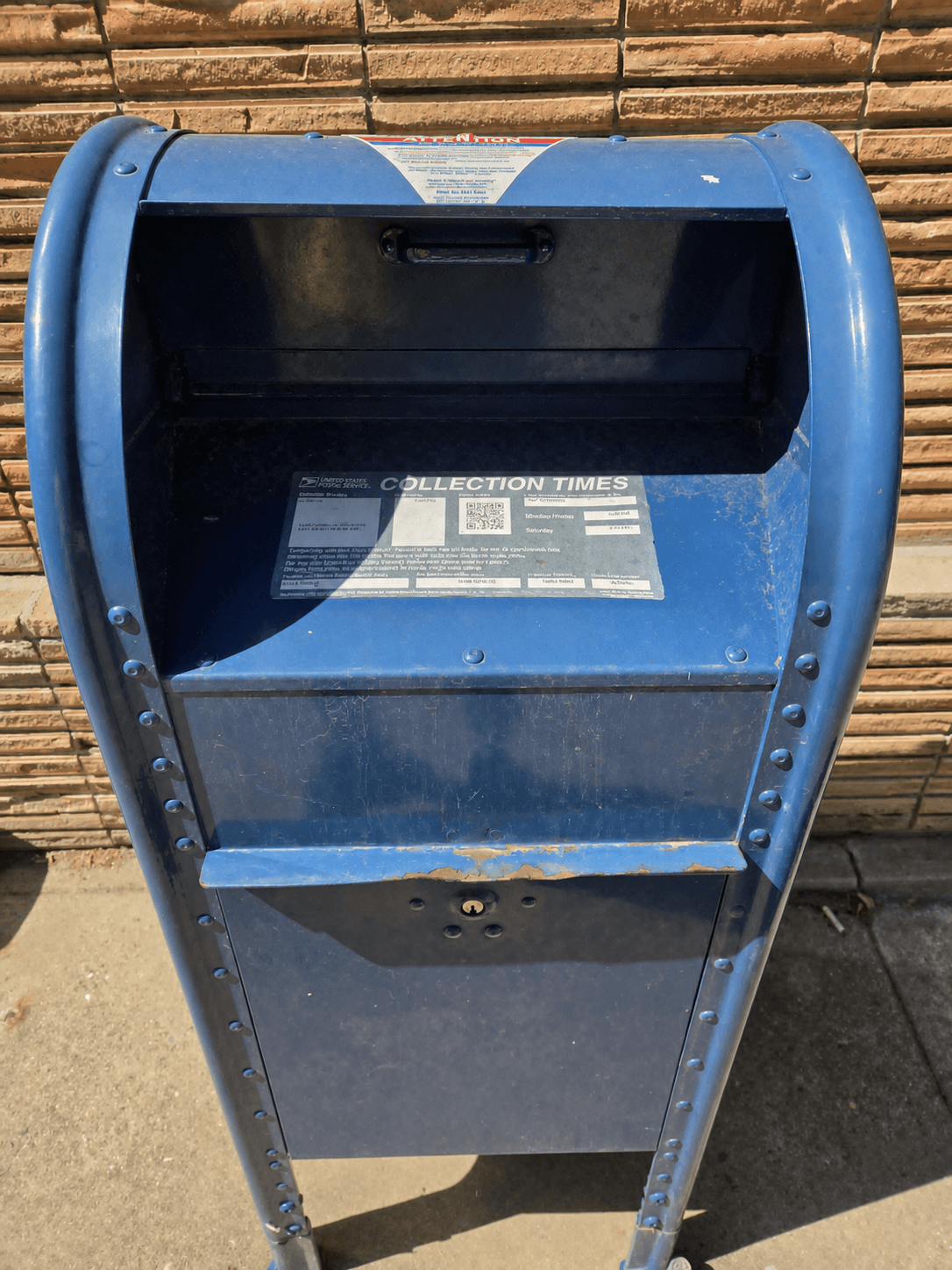
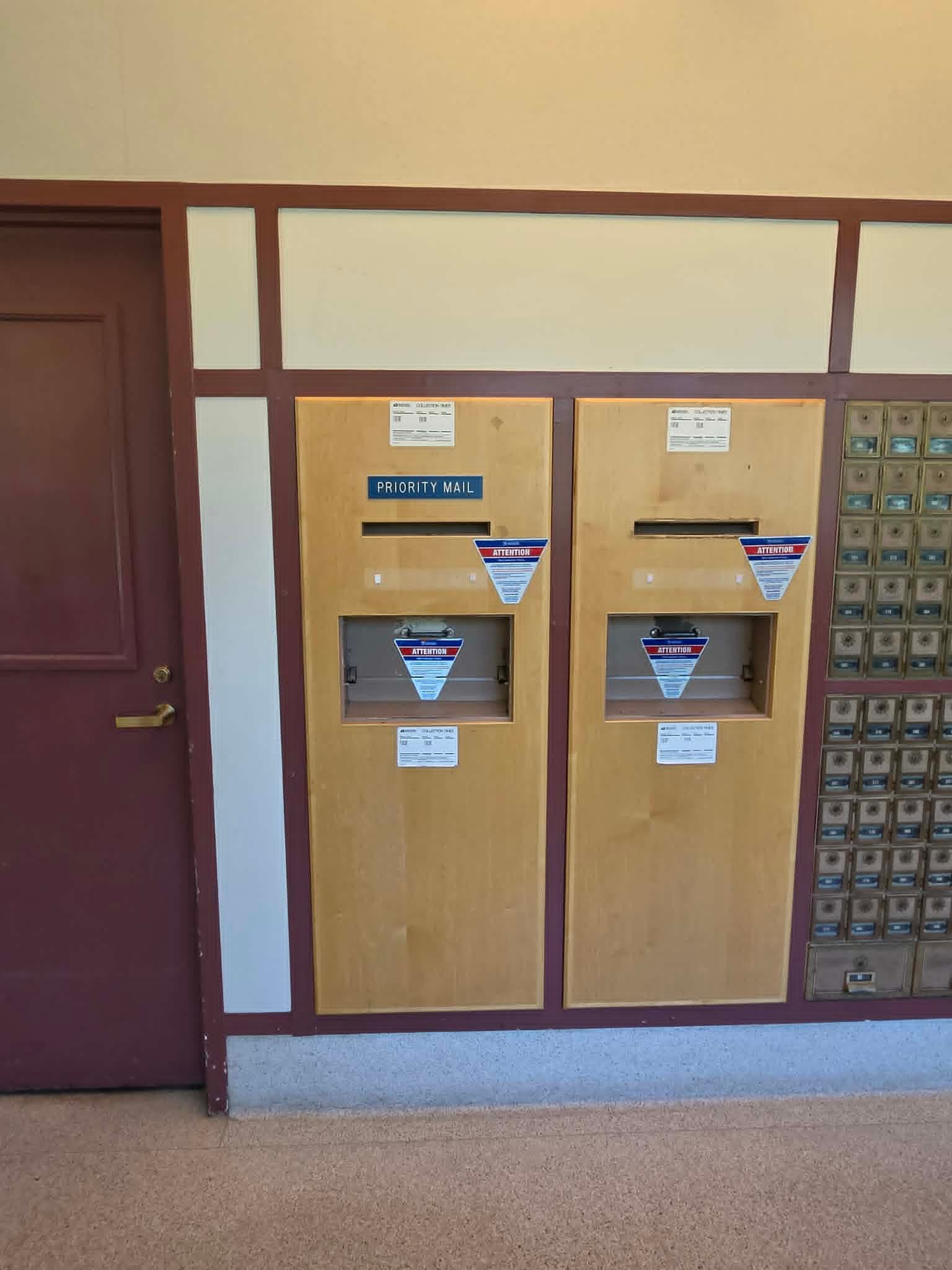
If the IRS receives your return a few days after the deadline, it is generally treated as filed on time when the envelope was properly addressed, had enough postage, and received a USPS postmark on or before the due date. I do not recommend waiting until the last minute, though. If you use a collection box, always check the posted collection time so your return does not sit there until the following day.
Frequently asked questions
What happens if I mail my return to the wrong address?
An incorrectly addressed return can be delayed, and the postmark rule requires the envelope to be properly addressed to an IRS office listed for that return. Confirm the address before mailing instead of relying on a prior-year envelope.
Does the IRS accept tax returns by regular mail?
Yes, but we still highly recommend using Certified Mail so you can track the envelope and keep a record that it was sent. If you use regular mail, make sure the envelope has enough postage before dropping off your tax return.
When was the 2026 federal tax filing deadline?
For most individual taxpayers, the deadline to file a 2025 federal tax return was April 15, 2026. Some taxpayers may have additional time because of a valid extension or disaster relief. If you have not filed yet, do so as soon as possible because applicable penalties and interest can continue to add up.
Sources
More tax and important-document mailing guides
USPS guide
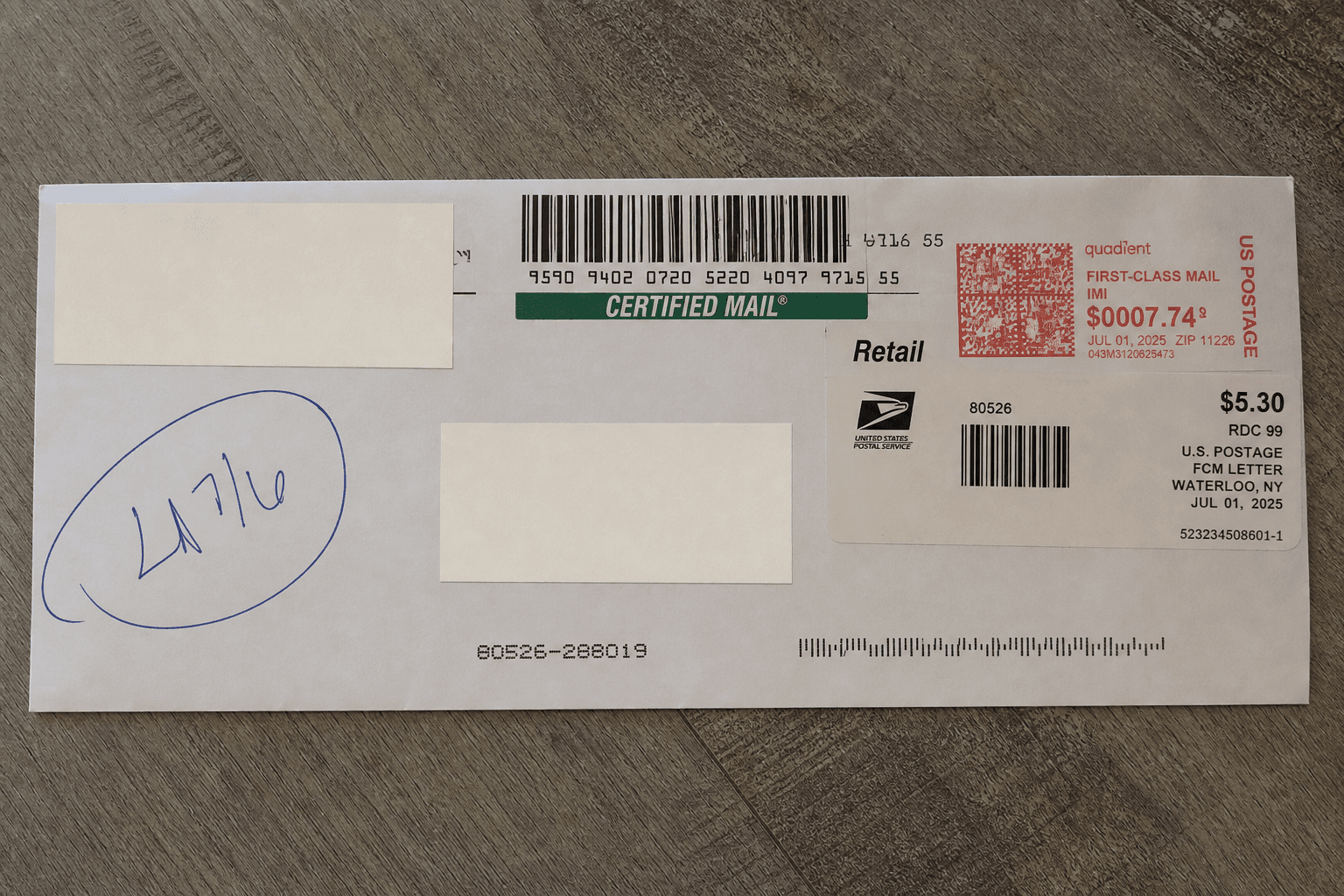
Why Would You Get a Certified Letter? Common Reasons & What to Do
Learn why you might receive Certified Mail, what to do after delivery, how to spot scams, and what happens if you do not pick it up.
Read guide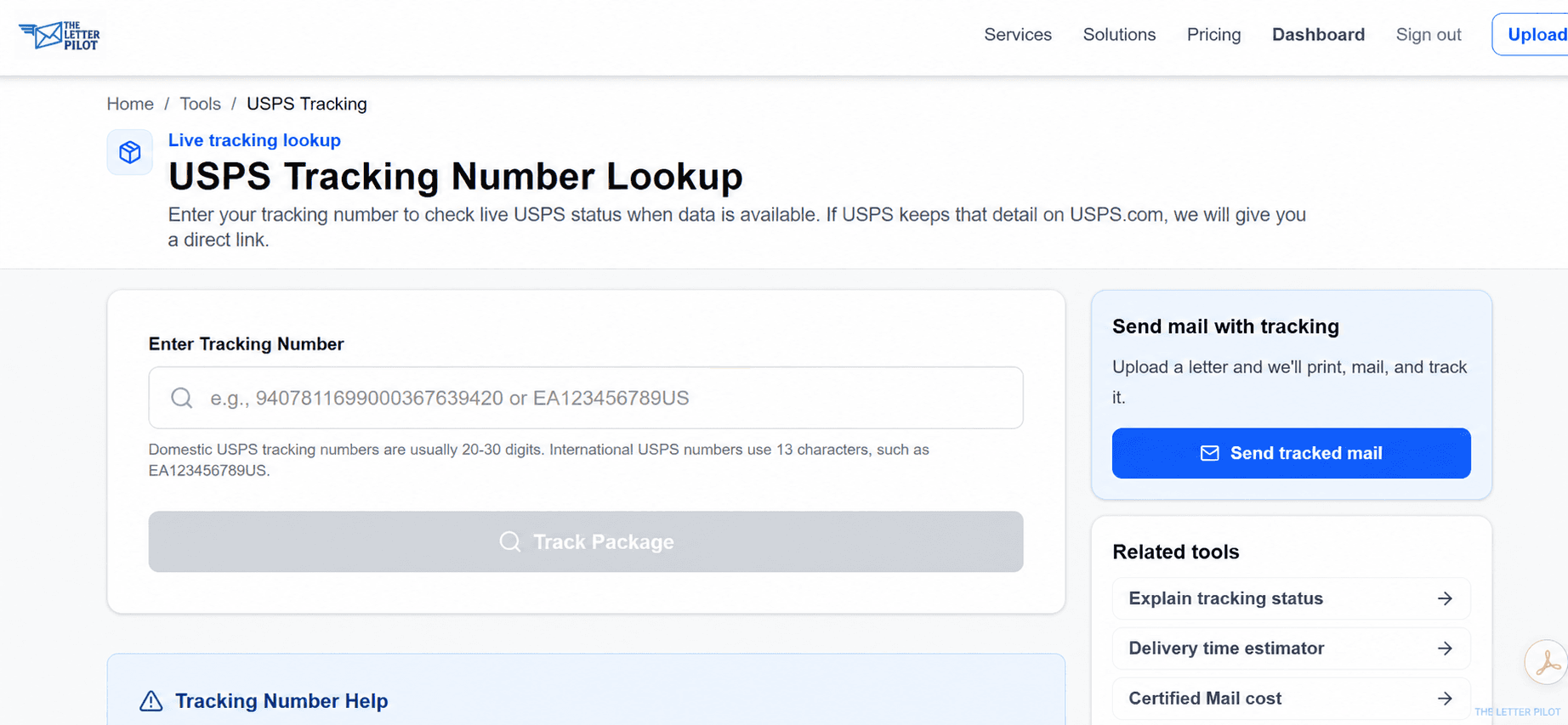
USPS guide
How to Track Certified Mail
Learn where to find your Certified Mail tracking number, check delivery status, and get proof of delivery when available.
Read guide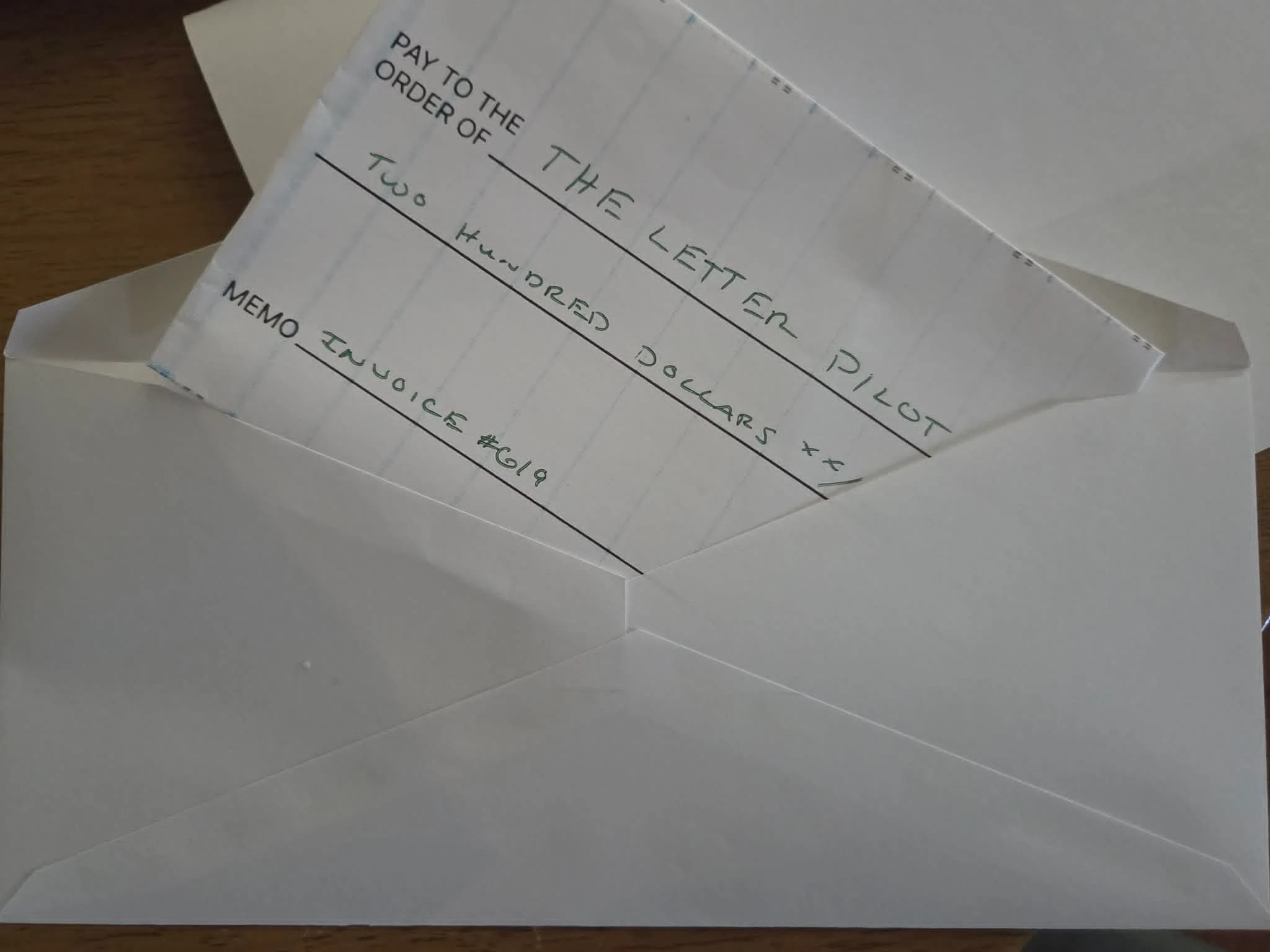
USPS guide
How to Mail a Check Safely
Use indelible black ink, conceal the check, mail it before the last pickup, and choose tracking or proof of delivery when the payment matters.
Read guide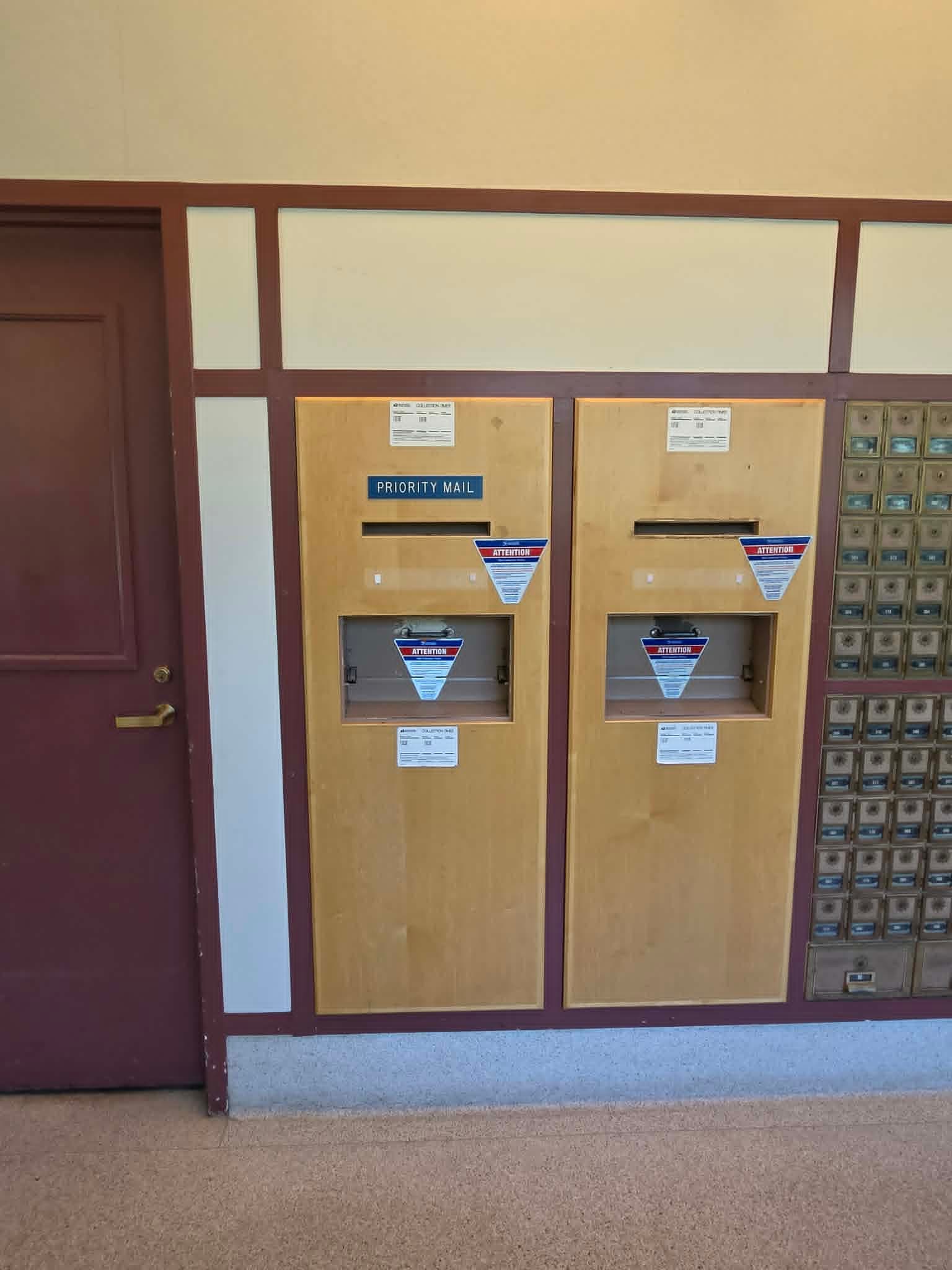
USPS guide
How to Mail Sensitive Documents Safely
Learn how to mail sensitive documents safely, choose USPS tracking or proof of delivery, protect private information, and keep useful mailing records.
Read guide
USPS guide
How to Mail DMV Paperwork: 50-State DMV Checker
Use our DMV checker for all 50 states and DC to find online options and mail-in guidance for registration renewals, replacement titles, and license renewals.
Read guide