How to Send a Self-Addressed Stamped Envelope
You need two envelopes
In the mail industry we abbreviate this SASE. The idea is really straightforward: when you send someone a letter, you provide them an envelope to return mail in, with postage already on it.
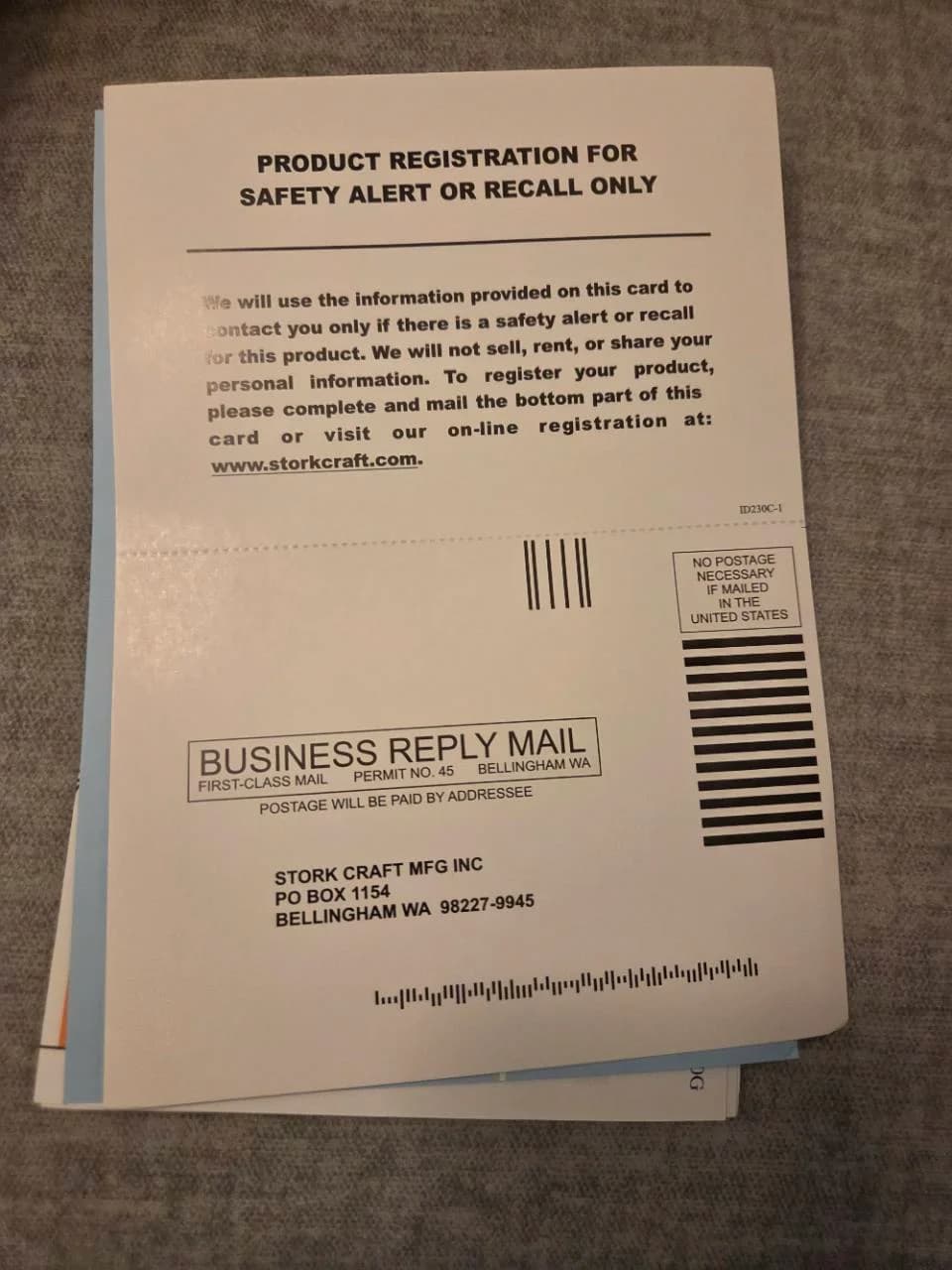
You'll see a similar idea sometimes with product paperwork, as you see in our main image. We bought a crib for a baby and it came with a registration card we could mail back for safety alerts or recalls. That card says “No postage necessary,” so the company pays for the reply. With a SASE, you provide the return postage yourself.
So if you're sending your own, then you need to have two envelopes. One addressed to the recipient, and one addressed back to yourself. The envelope addressed back to yourself should be stamped and put in the envelope that is sent to the other person.
1. Address the return envelope to yourself
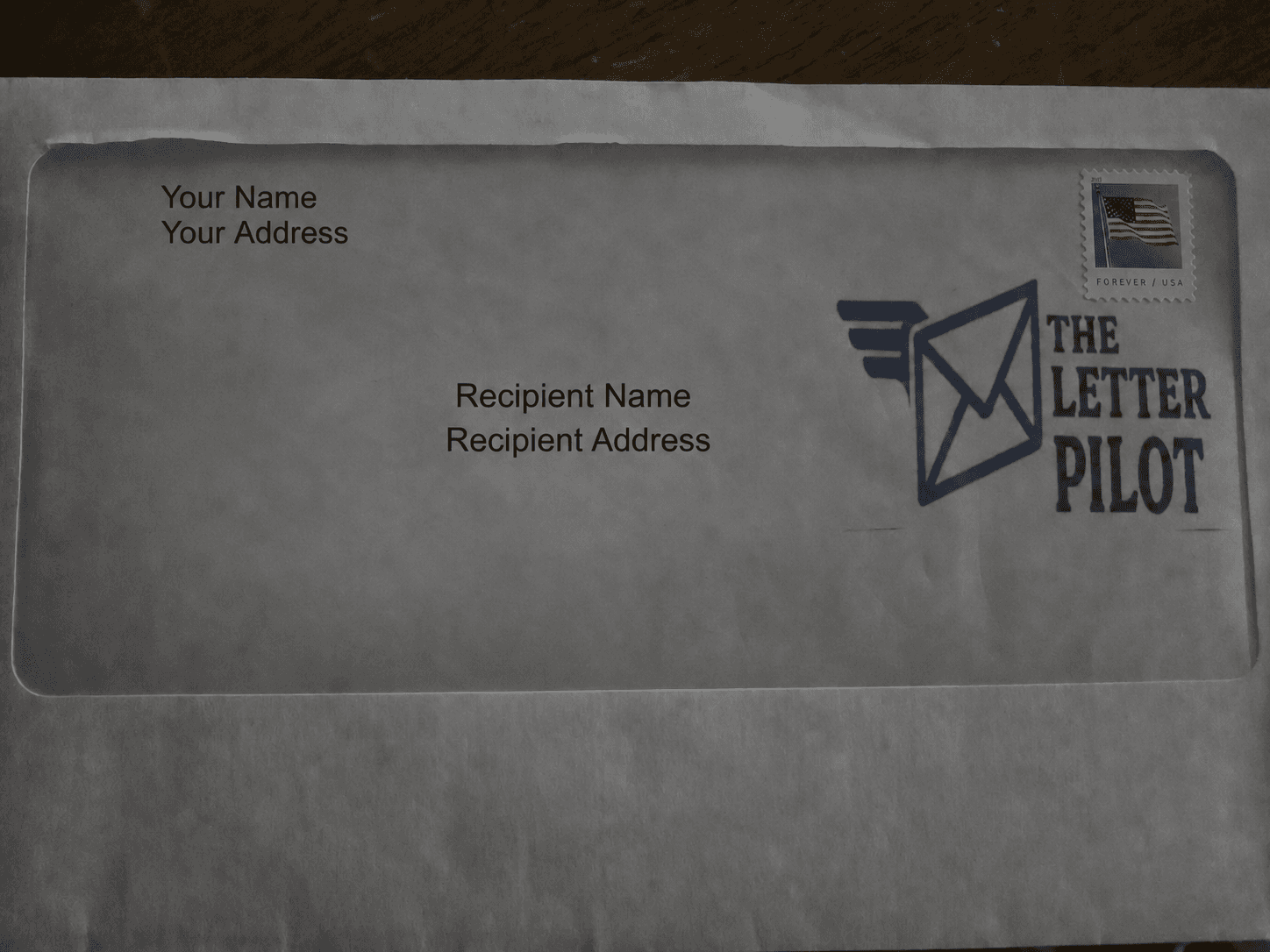
Write your name and mailing address in the delivery-address area, in the middle of the envelope. This is where the reply needs to go. Add the return postage in the upper-right corner.
RETURN ENVELOPE: COMES BACK TO YOU
[Your street address and apartment, if any]
[City, state ZIP Code]
Follow any instructions about the upper-left return-address area. Put your address in the middle of this inner envelope, not the organization's address.
Leave it unsealed. The recipient needs to put your reply inside before closing it.
2. Put it inside the envelope you are sending
Put your request and the unsealed return envelope inside the outer envelope. A slightly larger outer envelope makes this easier. Only fold the return envelope if the recipient's instructions allow it.
Address the outer envelope normally: their name and address in the center, your return address at the upper left, and outgoing postage at the upper right. Then seal the outer envelope.
For placement examples, see how to address an envelope.
3. Pay for both trips
The stamp on the inner envelope pays for the reply. It does not pay for sending the outer envelope.
Do not assume two Forever stamps will always cover everything. The outer envelope includes your request and the return envelope. The return envelope needs enough postage for the item coming back, not just the empty envelope.
If you do not know the reply's weight or size, ask the recipient what postage to include. You can check a known weight with the postage calculator.
If the reply will be mailed from another country, ask for that recipient's return-postage instructions. USPS stamps generally cannot pay for postage originating in a foreign postal system.
Does every return envelope need a stamp?
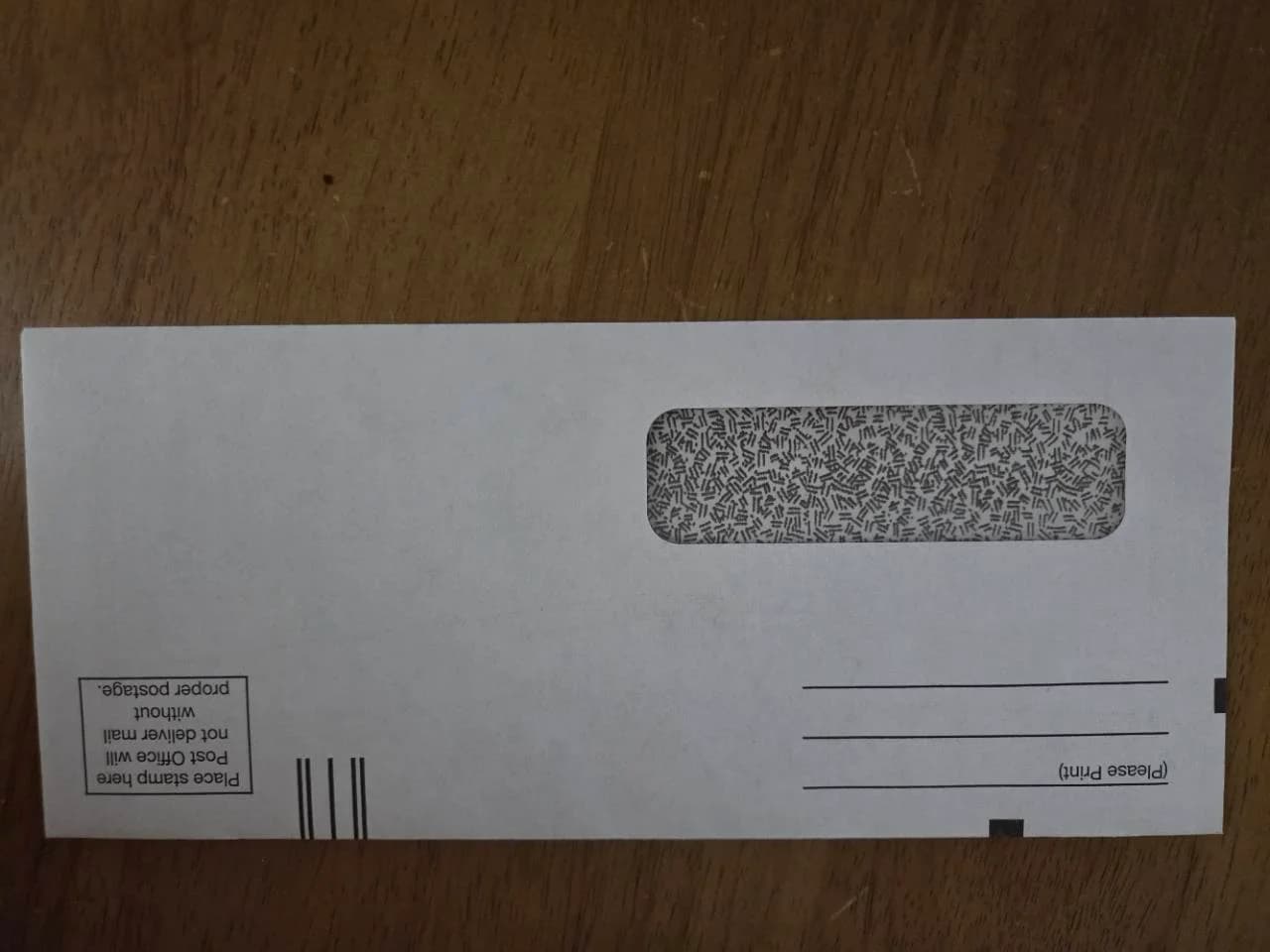
No. Check what is printed on it. These two examples show the difference.
A simple example
An organization asks you to mail a request and include a SASE so it can send a paper reply. On the small envelope, you write your own address, add the requested return postage, and leave the flap open.
You put that envelope and your request inside a larger envelope addressed to the organization. You add postage for the full outgoing mailing and seal it. They open the outer envelope, put the reply in your return envelope, seal it, and mail it back.
Quick check before sealing the outer envelope
- The inner envelope has your address in the middle.
- The inner envelope is unsealed and large enough for the reply.
- You included the return postage the recipient needs.
- The outer envelope has their address and its own postage.
- Your request and any required forms are inside.
Sources
More USPS guides
USPS guide
How to Address an Envelope
Put your return address in the upper-left corner, the recipient address in the center, and postage in the upper-right corner. Here is the straightforward USPS-friendly format.
Read guide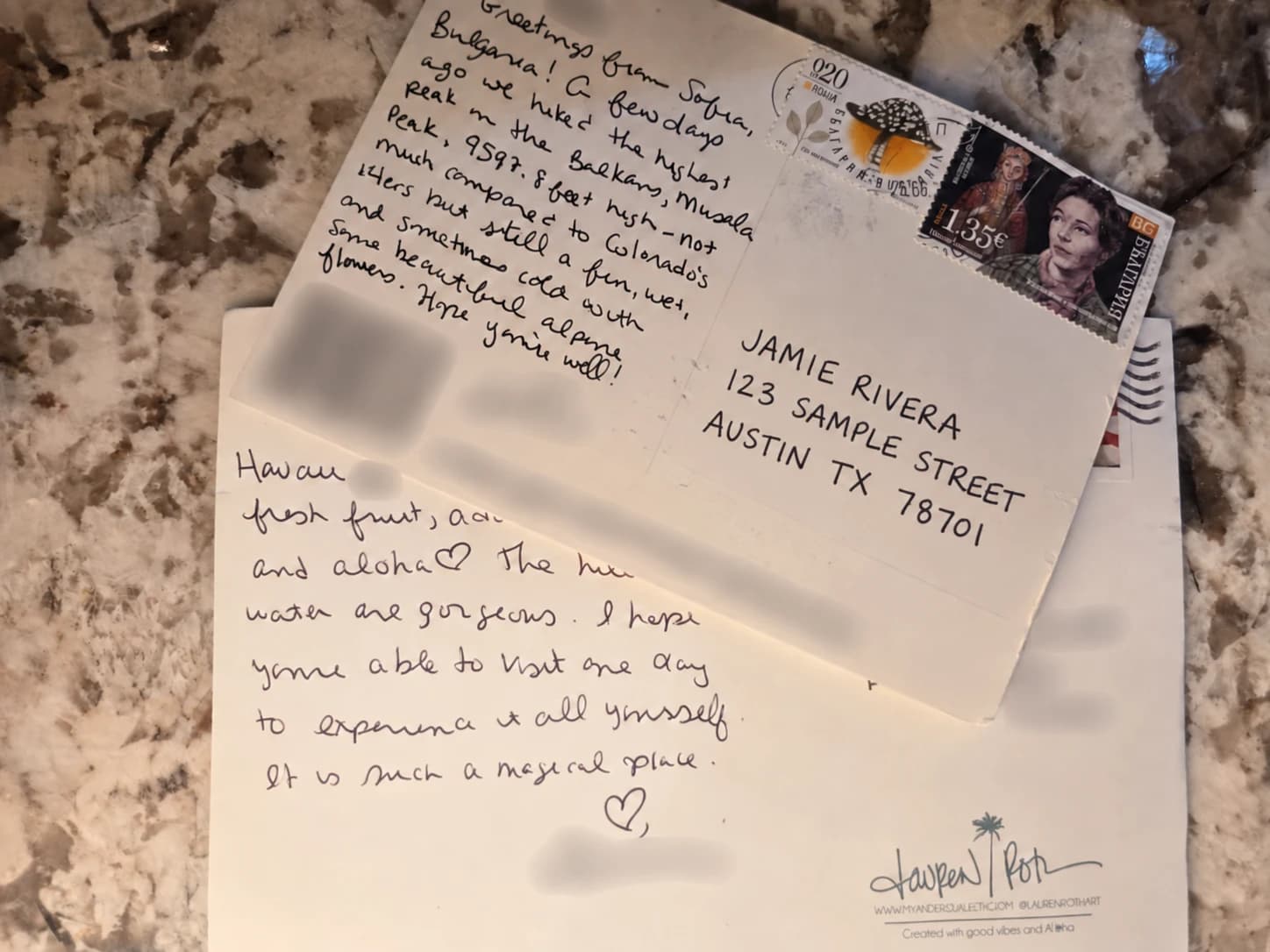
USPS guide
How to Address a Postcard: Where the Stamp and Address Go
Learn where to write the address, message, and stamp on a postcard, plus the size and postage basics before you mail it.
Read guide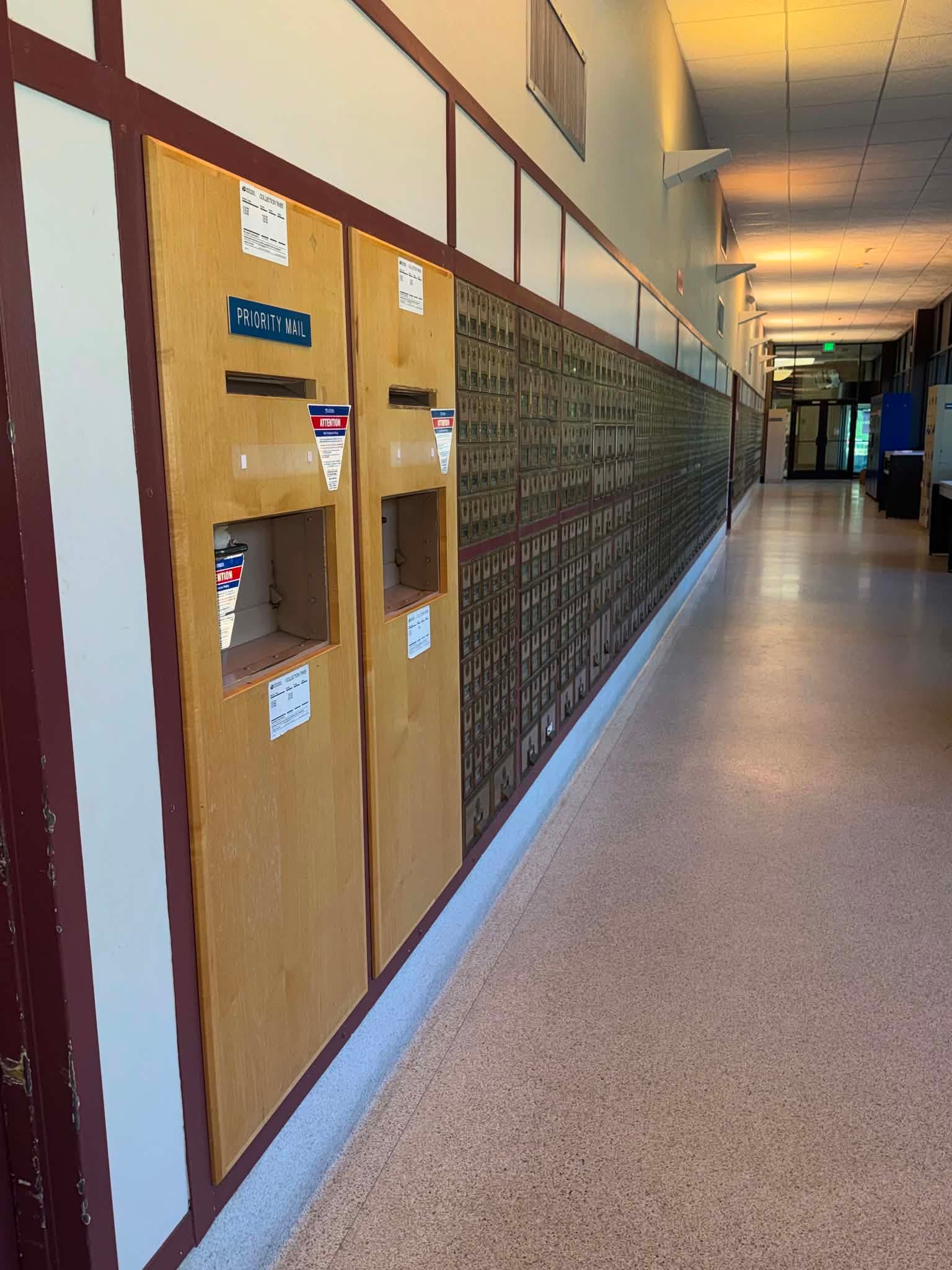
USPS guide
How to Address a PO Box on an Envelope
Put the recipient name first, the PO Box number on the next line, and the city, state, and correct PO Box ZIP Code on the final line.
Read guide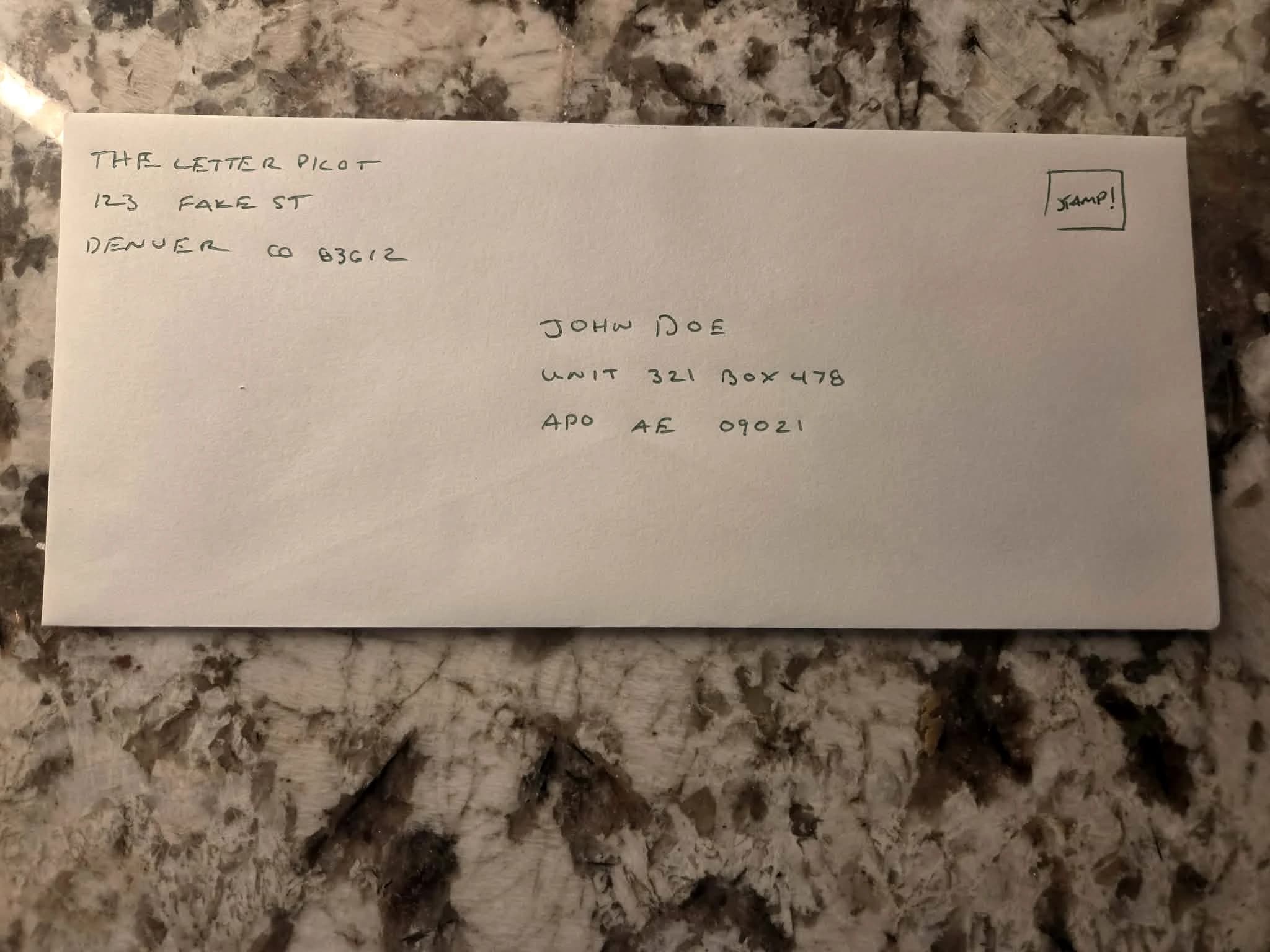
USPS guide
How to Address Military Mail (APO, FPO, and DPO)
Use the correct APO, FPO, or DPO military address format. Learn where the name, unit, AA/AE/AP code, ZIP Code, postage, and customs form belong.
Read guide
USPS guide
Apt vs Unit vs Suite: USPS Secondary Address Format Examples
Use this guide before mailing when you need the right apartment, unit, suite, or floor abbreviation and placement. Includes USPS-friendly examples for secondary address formatting.
Read guide