Nonmachinable Stamps: When Does Your Envelope Need One?
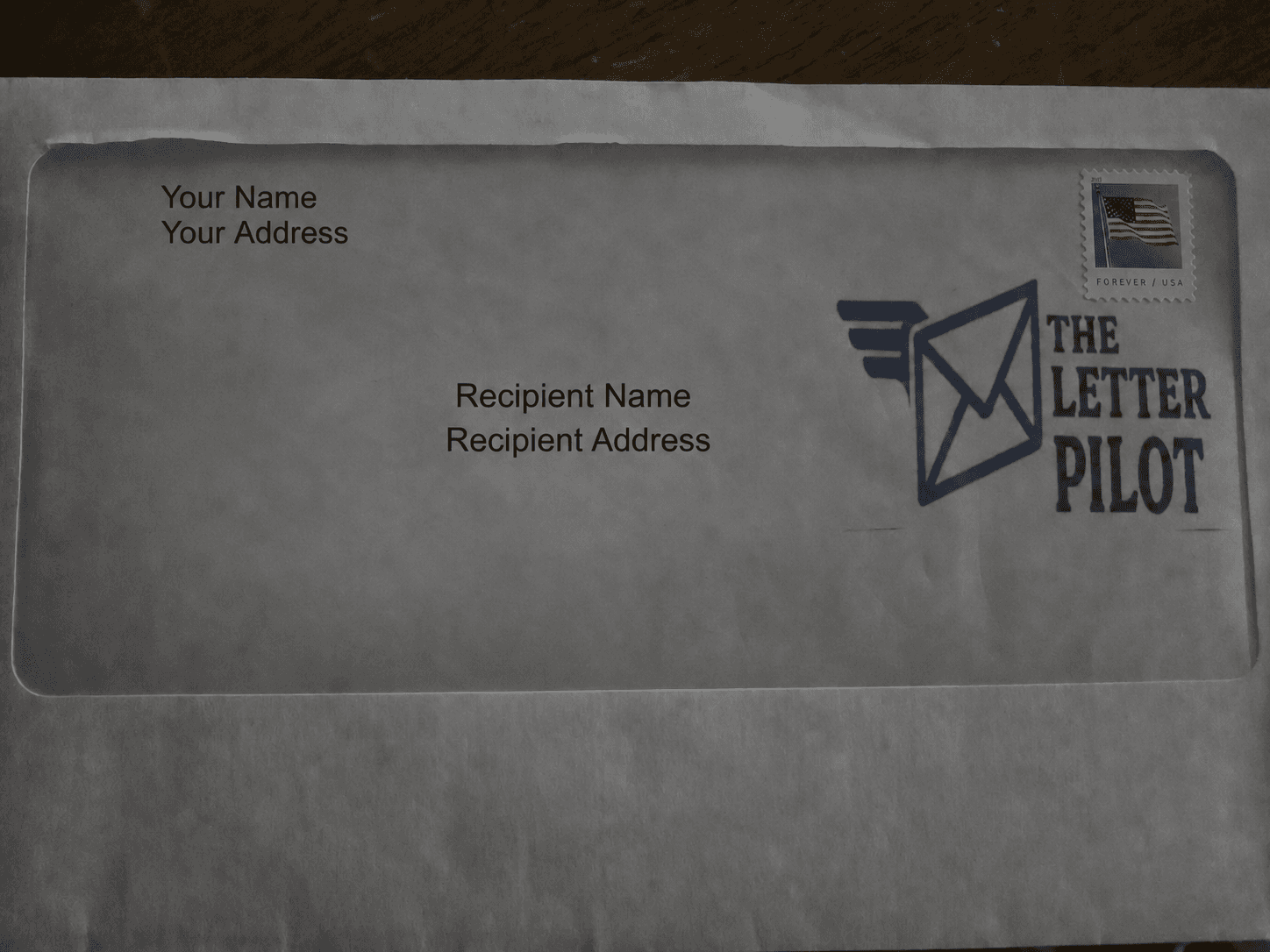
What is a nonmachinable stamp?
Yes a non machinable stamp is a real thing. Non machinable simply means that USPS traditional sorting methods don't work. A normal letter can basically just go through a standard sorting process. If a letter or envelope is thick it's not going to quickly pass through the correct method. Greeting cards, or thick wedding invitations might be non machinable.
Thickness isn't the only thing that can make your letter nonmachinable. If you're sending a square envelope, for example, USPS considers it nonmachinable even if it's thin and within the letter size limits. The shape matters too.
Hopefully this guide will help you understand when you'll need one, and where to get the right stamps!
Which envelopes need extra postage?
These are common reasons a letter may be nonmachinable:
- A square envelope, such as some wedding invitations.
- An envelope that is too stiff to bend easily.
- A clasp, string, button, or similar closure.
- Contents that make the envelope uneven or lumpy.
- An address written along the short side instead of the long side.
That does not mean every unusual envelope can go as a letter. A padded mailer, rigid large envelope, or loose object may need different packaging or parcel postage. If you are unsure, take one finished sample to the Post Office before buying stamps for the whole batch.
How do you know if it is nonmachinable or a package?
The first thing to check is the thickness. If it's more than ¼ inch thick with everything inside, then it's not a standard letter. Adding a nonmachinable stamp does not change that.
Also remember it must be no more than 11½ inches long by 6⅛ inches high to go at letter rates. If you're using a regular greeting-card envelope, thickness may be the part you need to check most closely. Here's the quick guide:
- Is it within all three letter limits?
Up to ¼ inch thick × 11½ inches long × 6⅛ inches high.
Yes → It may go as a letter. Square, stiff, or uneven letters can need the nonmachinable surcharge. Being exactly ¼ inch thick does not automatically make it nonmachinable.
No → Check the large-envelope limits below.
- Is it within all three large-envelope limits?
Up to ¾ inch thick × 15 inches long × 12 inches high.
Yes, and it is rectangular, bends easily, and is evenly thick → It may go at large-envelope rates. USPS calls this a “flat.” These are not nonmachinable-letter rates.
No, or it is not rectangular, is rigid, or is too uneven → It needs package postage.
- Check the weight too.
Letter rates stop at 3.5 ounces. Heavier letter-size mail pays large-envelope rates. First-Class Mail large envelopes can weigh up to 13 ounces.
These are the upper limits, not a guarantee that every envelope under them qualifies. A letter must also be at least 5 inches long and 3½ inches high. If yours is unusually small, thin, or an odd shape, have USPS check it.
Still not sure? Take one finished envelope to the Post Office before buying stamps for the whole batch. Ask whether it needs letter, large-envelope, or package postage.
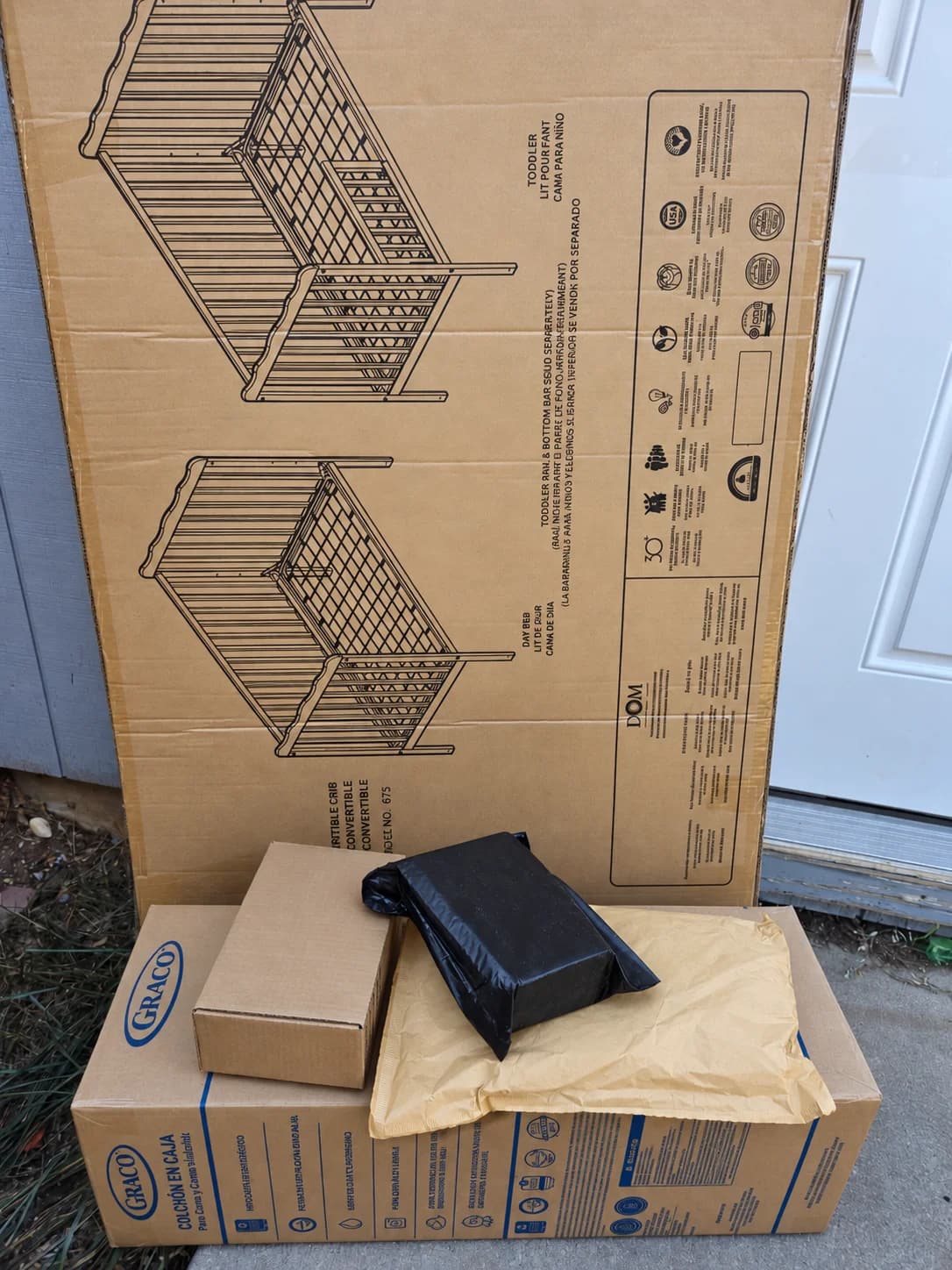
How much postage do you need?
A nonmachinable stamp costs $1.31. That covers a nonmachinable letter up to one ounce mailed within the US.
You can buy nonmachinable stamps directly from USPS or ask for them at your local Post Office.
Luckily, if your letter weighs more than one ounce, you do not need another nonmachinable stamp. Just add a 29¢ additional-ounce stamp for each extra ounce or part of an ounce, up to the 3.5-ounce letter limit.
- Up to 1 oz: one nonmachinable stamp.
- Over 1 oz, up to 2 oz: add one additional-ounce stamp.
- Over 2 oz, up to 3 oz: add two additional-ounce stamps.
- Over 3 oz, up to 3.5 oz: add three additional-ounce stamps.
These are additional-ounce stamps, not regular Forever stamps. Weigh your filled envelope so you know how many you need.
Example: mailing a square invitation
You have a square invitation envelope with a card and RSVP slip inside. It weighs less than one ounce. A regular Forever stamp alone is not enough. The square shape adds a surcharge, even though the envelope is under the weight limit.
Before stamping the rest, take one assembled invitation to the counter. Ask whether it qualifies as a letter and how much postage it needs. If there is a wax seal, ribbon, or bulky insert, show the clerk the finished version, not an empty envelope.
Before you mail it
- Check the finished envelope, including any inserts and decorations.
- Do not assume a nonmachinable stamp makes any size or shape acceptable.
- Keep the delivery address clear and readable.
- Ask about packaging if the contents are fragile; extra postage is not protective packaging.
Need to choose an envelope first? The envelope size finder can help with fit. A size recommendation alone cannot confirm flexibility or how your packed envelope will be handled.
What if you use a nonmachinable stamp on a regular letter?
You're still covered as long as the stamp pays enough postage. For a regular one-ounce letter, a nonmachinable stamp is more than enough. You just paid a little extra. You do not need to replace it or add a Forever stamp.
Unfortunately, it does not work the other way around. One regular Forever stamp does not cover a nonmachinable letter. USPS rules say nonmachinable letters without enough postage are returned to the sender for additional postage.
Sources
More USPS guides
USPS guide
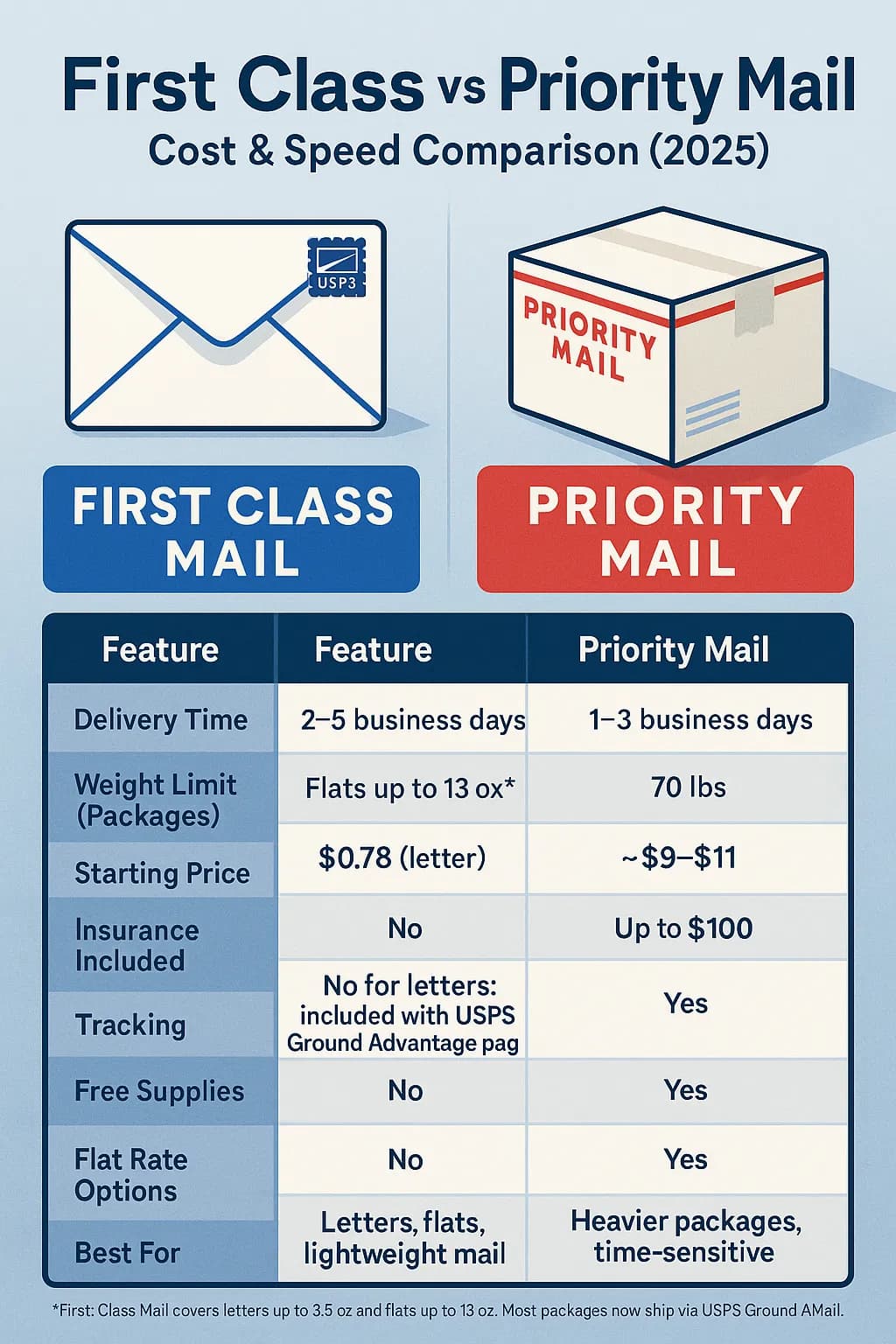
First-Class Mail vs. Priority Mail: Which Should You Use?
Compare USPS First-Class Mail vs. Priority Mail for letters and documents, including cost, delivery time, tracking, and Certified Mail options.
Read guide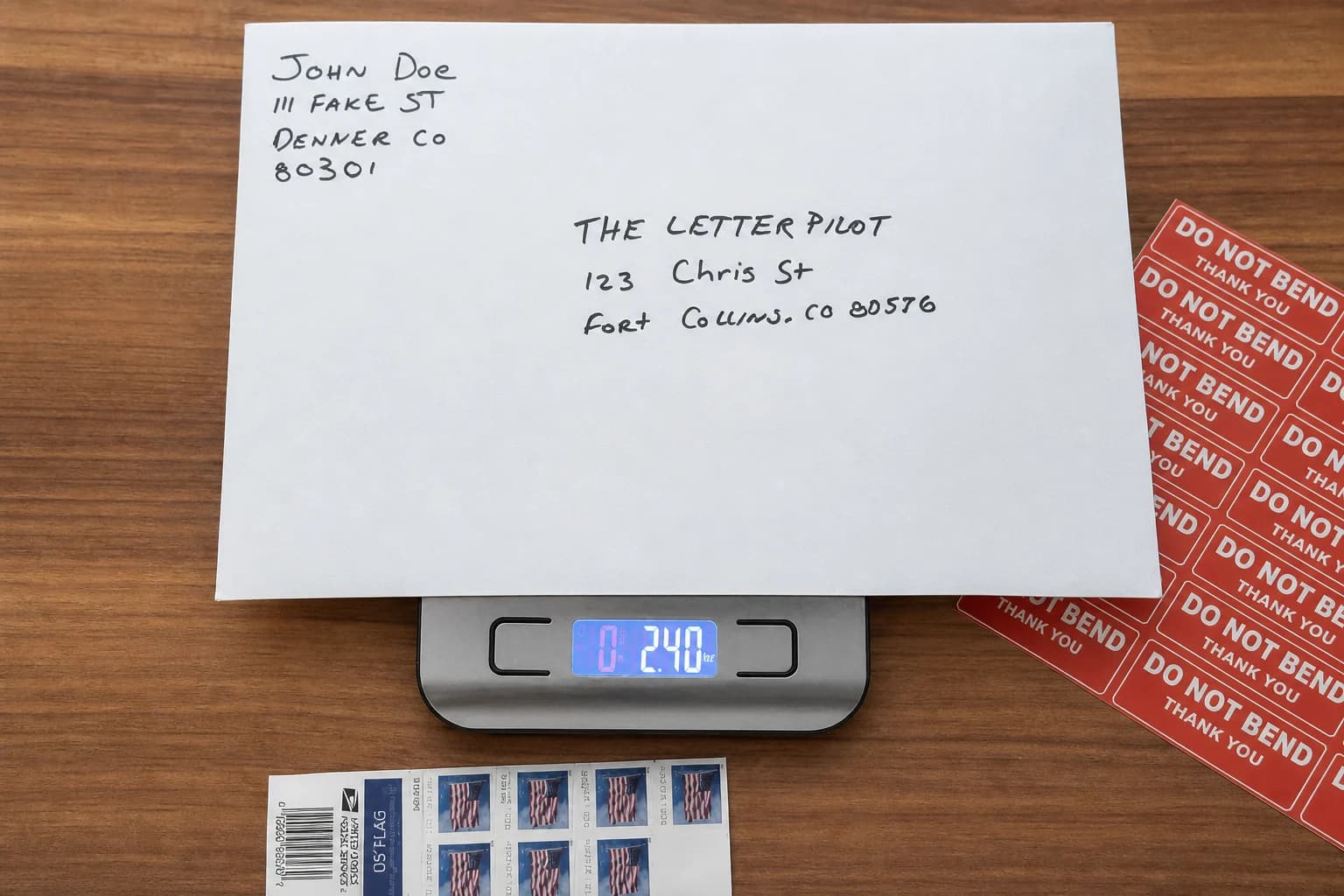
USPS guide
How Many Stamps Do I Need? USPS Stamp Calculator by Weight and Envelope Type
Use the USPS stamp calculator to figure out how many Forever or additional-ounce stamps to use by weight and envelope type. Need dollar postage rates instead? See 2026 USPS postage prices.
Read guide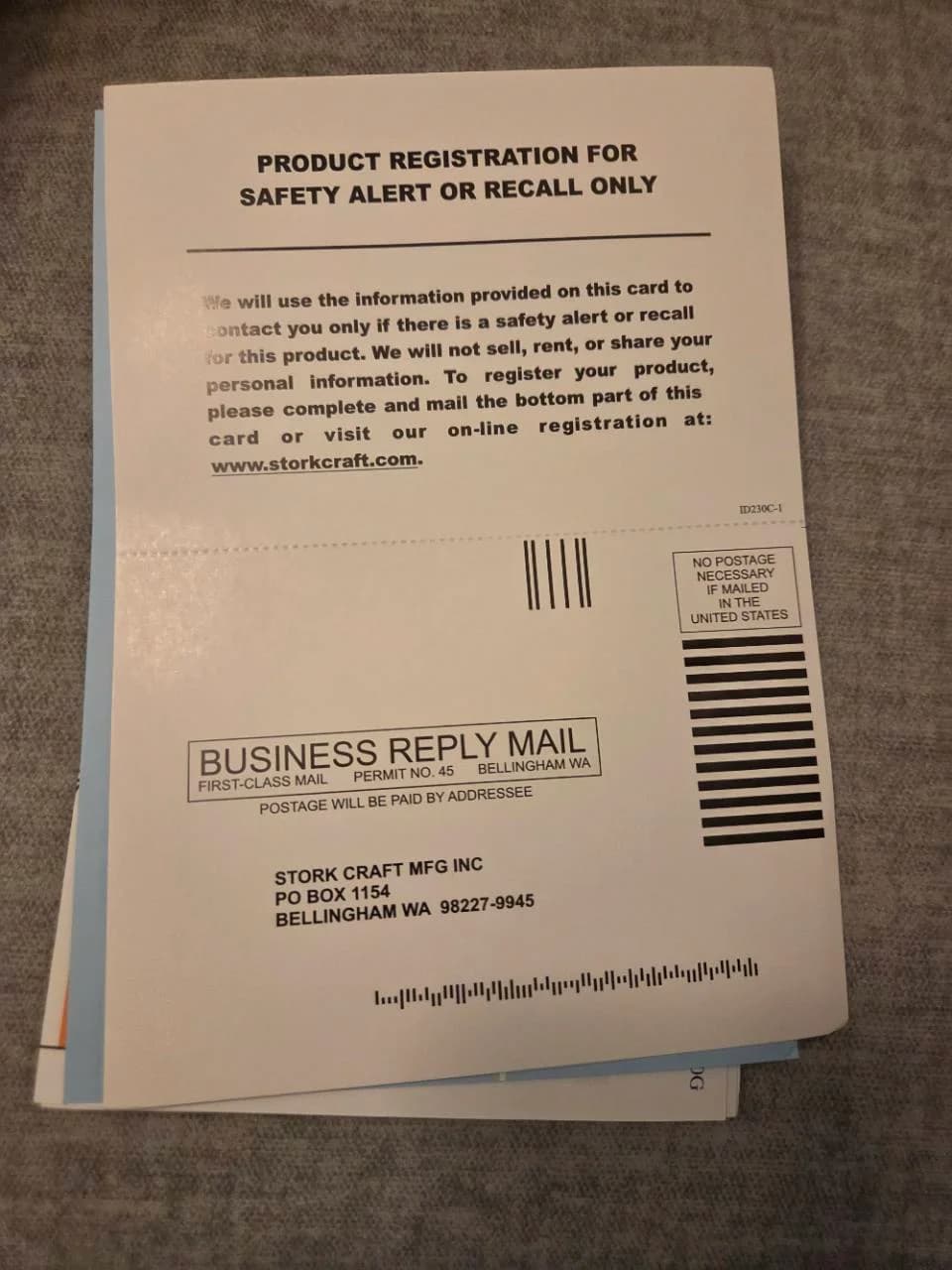
USPS guide
How to Send a Self-Addressed Stamped Envelope
A self-addressed stamped envelope is an envelope someone can use to mail something back to you. Here is how to prepare it without mixing up the two addresses.
Read guide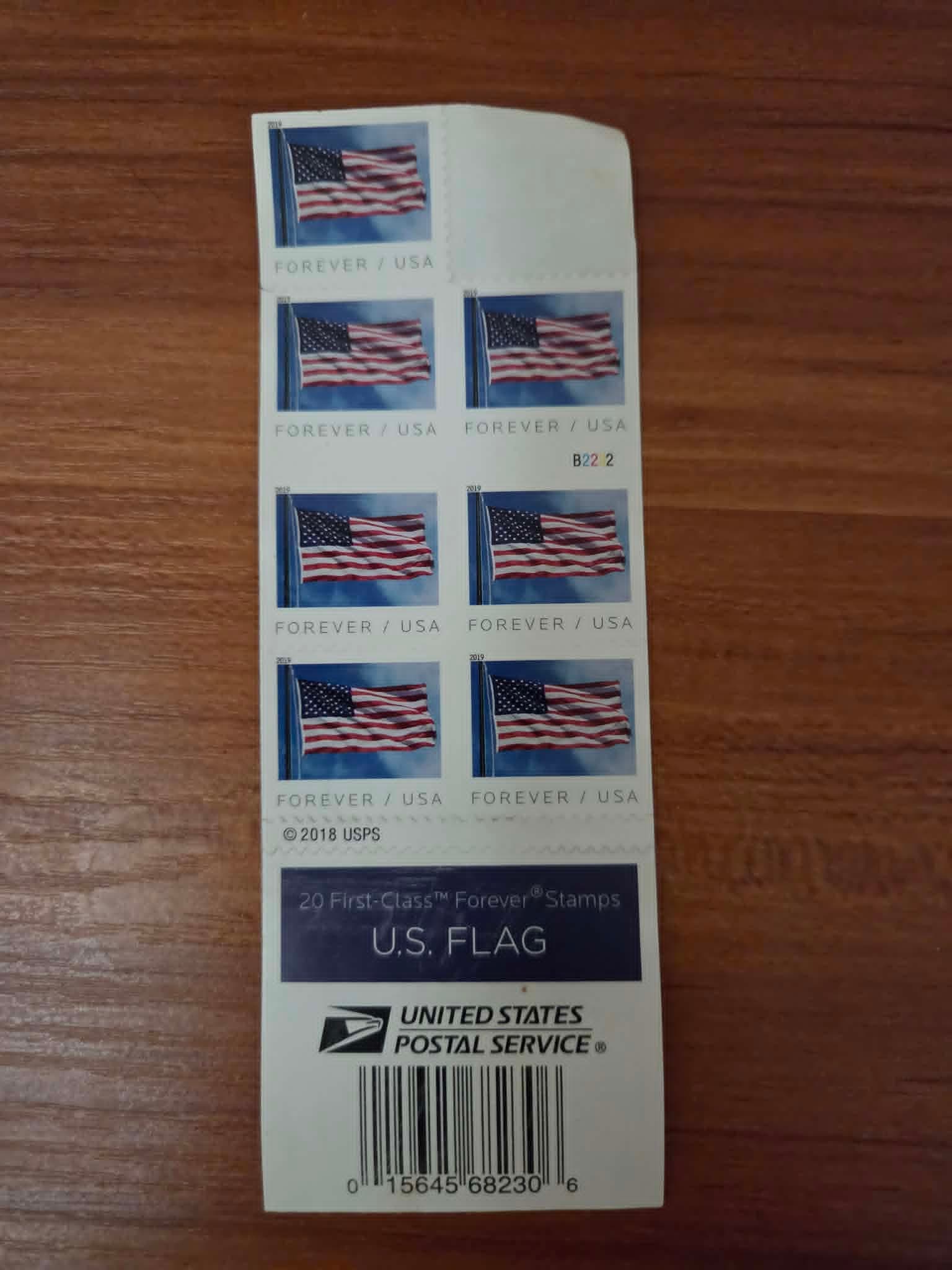
USPS guide
USPS Postage Rates: How Much Does It Cost to Mail a Letter?
Check USPS postage for letters, postcards, and large envelopes, with weight-based prices and a link to the postage calculator.
Read guide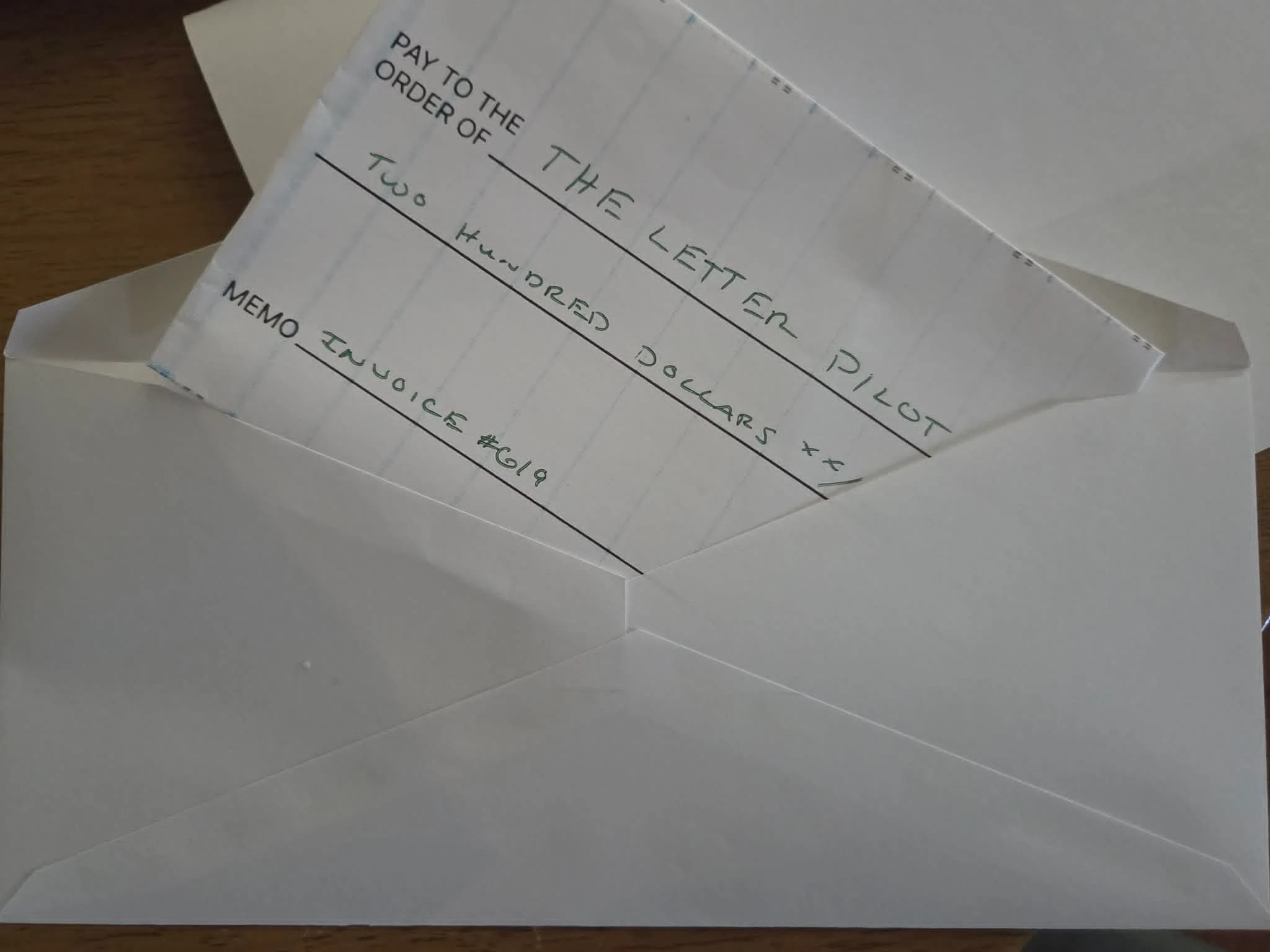
USPS guide
How to Mail a Check Safely
Use indelible black ink, conceal the check, mail it before the last pickup, and choose tracking or proof of delivery when the payment matters.
Read guide