
How to Return Mail to Sender With USPS
Someone else's mail showing up in your mailbox? We have some suggestions on how to handle that. Your mail getting returned? We cover that too.
The Basics / TL;DR
- Do not open the mailpiece.
- If it belongs to a former or unknown resident, write Not at this address on the front.
- If it is addressed to you and you are refusing it, write Refused.
- Give it to your letter carrier or take it to a Post Office.
If the mail is addressed to someone else
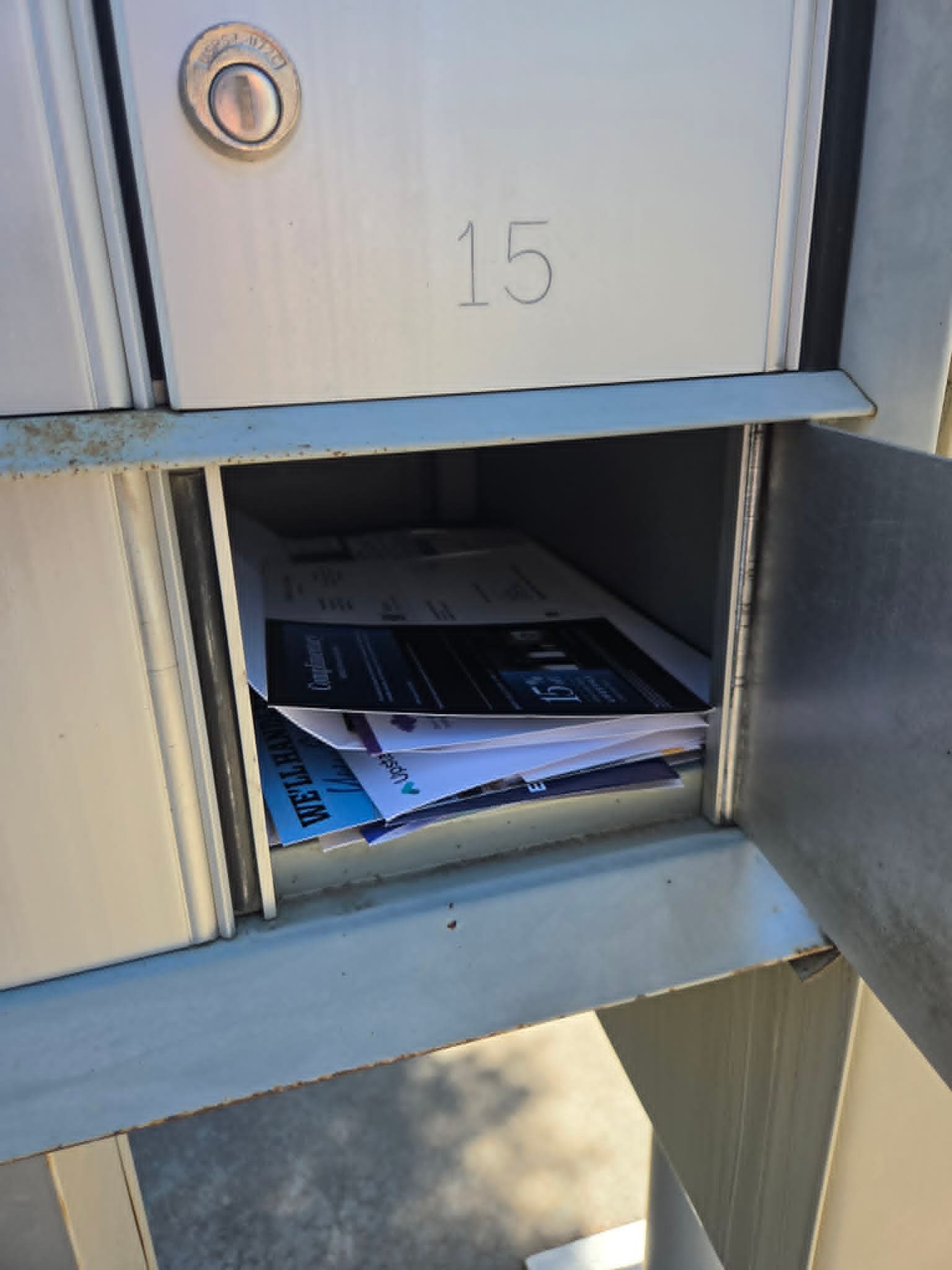
I'm pretty sure we've all been in this situation. You open your mailbox and find mail for the person who lived at your address before you. So what should you do?
Don't admit it to anyone, but I'm sure plenty of people reading this have gotten lazy and thrown it away. Let's not do that in the future. Mail is an obsession for us here at The Letter Pilot, and those poor little pieces of mail being sent to the dump really bum us out. So here's what to do instead.
It's pretty easy to get the mail back into the system and possibly headed to the right person. Fortunately, it's not your job to track down the person's new address. The Post Office can handle that. Simply write "Not At This Address" without covering up important information like the person's name, where the mail was sent from, or the incorrect recipient address.
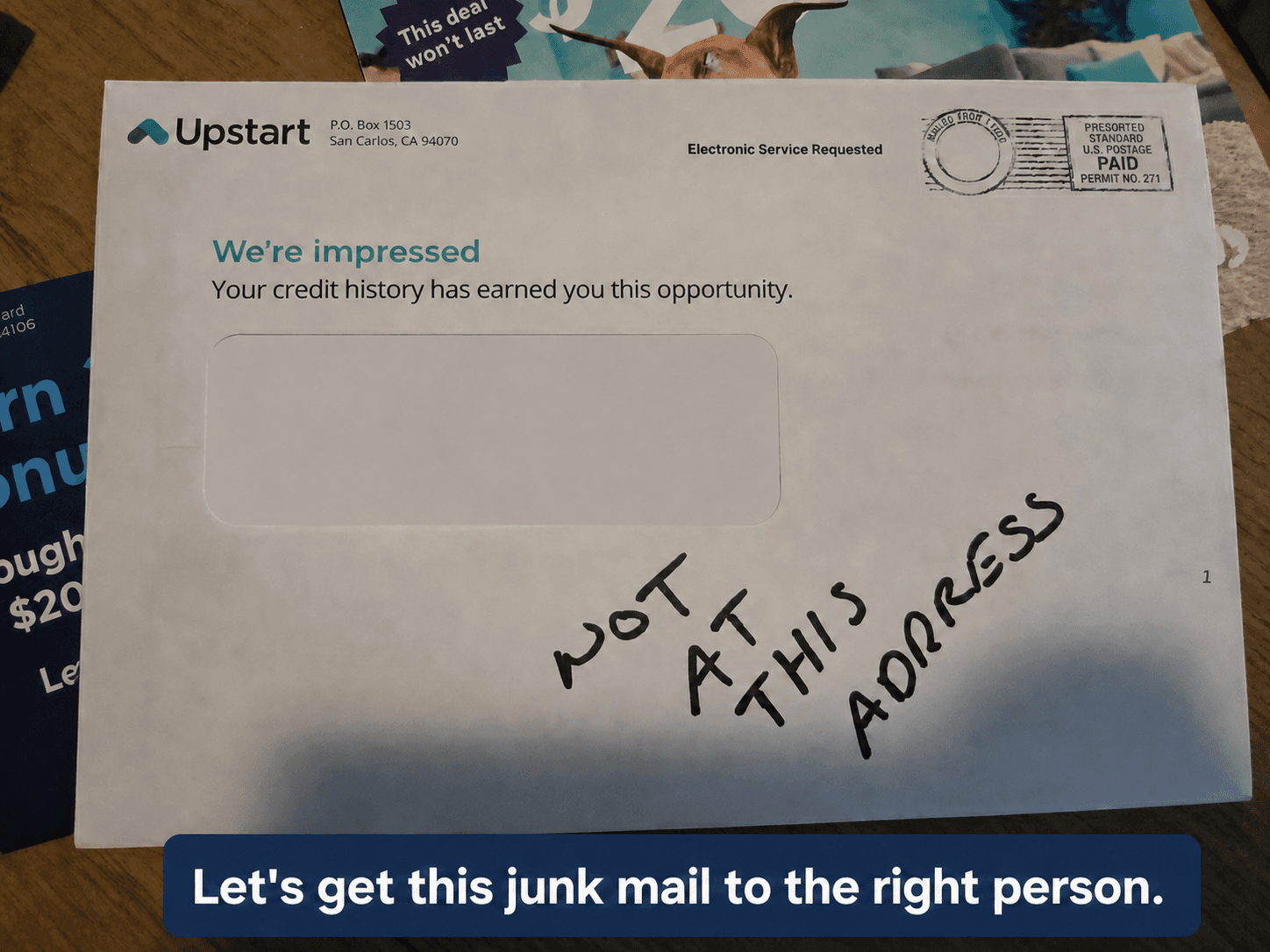
If you spot your mail carrier, you can hand it to them. Otherwise, take it to the Post Office. Your good deed will bring you good mail karma in the future.
How to refuse mail addressed to you
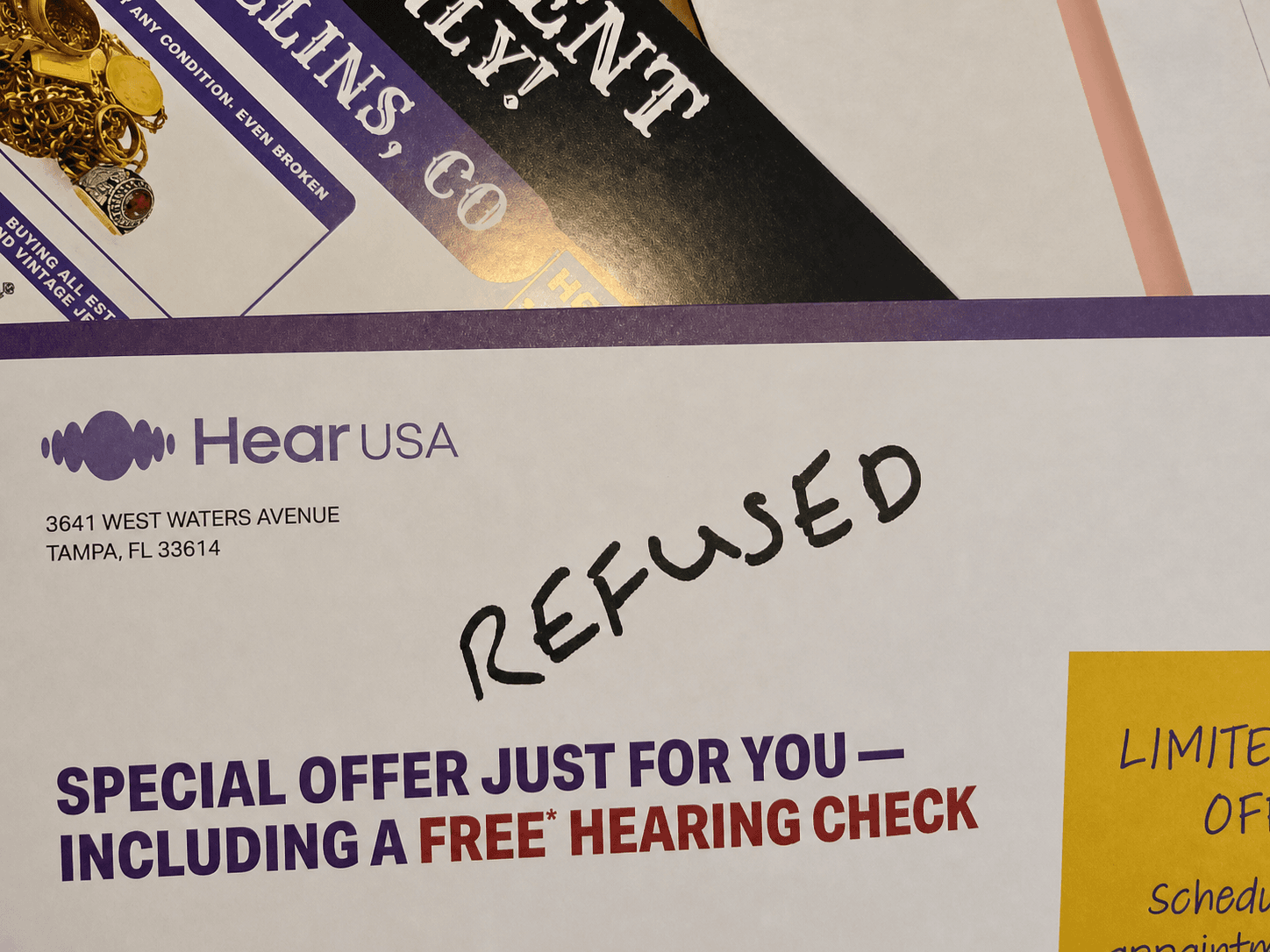
Can you refuse mail? Yes! If there's something you don't want mailed to you, you're basically doing what you did above. Instead of writing "Not At This Address," simply write "Refused." Leave the mailpiece unopened, then return it to the Post Office. Simple as that!
Mail Getting Sent Back to You?
If mail is coming back to you, there should be markings on the envelope explaining why it couldn't be delivered. Look at our chart below for some reasons your mail may have been returned.
| USPS marking | What to check |
|---|---|
| Insufficient Address | A necessary part of the address is missing, and USPS cannot determine the correct address. |
| No Such Number | The street number does not exist, and USPS cannot determine the correct number. |
| Attempted Not Known (ANK) | Delivery was attempted, but the addressee is unknown at that address. In other words, the person named on the mailpiece does not live or receive mail there, so USPS cannot complete the delivery. |
| Moved, Left No Address | The addressee moved without filing a change-of-address order. |
| Refused | The addressee refused to accept the mail or pay postage charges on it. |
| Unclaimed | The addressee did not claim the mail after USPS held it for pickup. |
Sent Mail to the Wrong Address?
A common issue people email us about is sending mail to a slightly incorrect address. They may have forgotten a suite number, apartment number, or another piece of information USPS needs to deliver the mail.
Unfortunately, there is no simple way to add or change address information after a mailpiece has been sent. USPS does offer Package Intercept for eligible mail with a tracking or extra-services barcode that has not already been delivered or gone out for delivery. Retail customers can request that USPS return the mailpiece to the sender or hold it at a selected Post Office for pickup. This gives you an opportunity to notify the recipient where the mail is being held.
Package Intercept costs $19.45 plus any applicable postage, and USPS only charges you if the mailpiece is successfully intercepted. The service is not guaranteed. We have used it ourselves a few times when mail was sent with missing address information.
We wish USPS offered an easy way to update an address while mail is in transit, but we understand the infrastructure and overhead required to manage constant address changes. Hopefully, the Package Intercept option can help when you catch a mistake after sending your mail.
Frequently asked questions
Can I write Return to Sender on unopened mail?
If the piece is addressed to you and you are refusing it, mark it Refused. USPS allows refusal at delivery and generally allows an unopened piece to be refused within a reasonable time after delivery, subject to the exceptions above.
Can all mail be refused?
No. Registered Mail, insured mail, Certified Mail, and Collect on Delivery mail cannot be refused postage-free after delivery. You'll need to pay postage to return those pieces. Response mail connected to a sales promotion, solicitation, announcement, or advertisement also cannot be refused after delivery if you accepted it when it was offered.
Can I return mail after opening it?
Not as refused mail. Put the item in a new envelope or wrapper, address it to the sender, and pay the required new postage.
Is returning mail to sender free?
Yes, it's free in the situations outlined above. If the mailpiece is unopened and you write Refused or Return to Sender, you should be good.
Sources
More USPS mailing guides
USPS guide
Why Would You Get a Certified Letter? Common Reasons & What to Do
Learn why you might receive Certified Mail, what to do after delivery, how to spot scams, and what happens if you do not pick it up.
Read guide
USPS guide
How to Write a Certified Letter (Format & Examples)
Learn how to write a certified letter with the correct format, sample wording, a complete example, and a reusable template for important notices.
Read guide
USPS guide
How to Track Certified Mail
Learn where to find your Certified Mail tracking number, check delivery status, and get proof of delivery when available.
Read guide
USPS guide
USPS Registered Mail: Cost, How to Send It & Delivery Time
Registered Mail starts at $20.90 plus postage. Fees depend on declared value and include applicable insurance up to $50,000. Learn how its security and delivery work.
Read guide
USPS guide
USPS Tracking Not Updating: What to Do
What a quiet USPS tracking page can mean, how to read the current status, and when to use USPS support or Missing Mail.
Read guide